![[PARENTING: Connection] - Connection Parenting: Why Kids Need Connection Before They Can Cooperate](https://files.us-siteglide.com/cdn-cgi/image/format=auto,onerror=redirect/instances/83/assets/images/WovenLaughing.jpeg?updated=1791906074)
You love your child. And still—there are moments when everything turns into a power struggle. They don’t listen. You feel yourself getting frustrated. And the more you try to control the situation, the worse it seems to get.
That’s not because you’re doing anything wrong. It’s because when children feel disconnected or overwhelmed, their nervous systems shift into protection mode—and in that state, cooperation is much harder.
Children can’t cooperate until they feel connected. This is the foundation of Connection Parenting.
Connection Parenting means noticing your child's connection needs and responding, so you create the foundation of trust that children require to thrive and develop resilience.
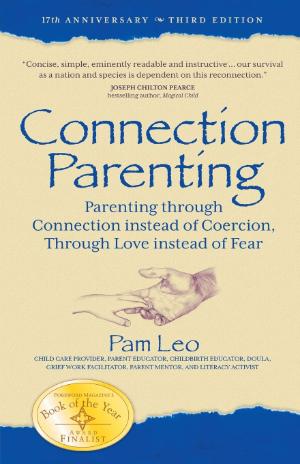
The idea isn’t new—but our understanding of why it works has deepened. Pam Leo, the originator of the term, says it best:
"The model of parenting most of us grew up with was authoritarian parenting, which is based on fear. Some of us may have grown up with permissive parenting, which is also based on fear. Authoritarian parenting is based on the child's fear of losing the parent's love. Permissive parenting is based on the parent's fear of losing the child's love. Connection parenting is based on love instead of fear."
-Pam Leo, Connection Parenting
Pam’s work was an early inspiration to me as I was developing my own parenting philosophy. Her emphasis on relationship over control helped shape the way I think about connection. In the years since, neuroscience has deepened our understanding of why that relational approach works.
Connection Parenting is relationship-centered. It means building a foundation of trust so strong that your child wants your guidance — not because they fear you, and not because you fear losing them — but because they feel securely loved and safe.
Today, neuroscience gives us another way to understand why this works: children’s brains develop best in the context of felt safety and co-regulation.
That insight is at the heart of what I call Calm–Connect–Coach. Before we guide behavior, we regulate ourselves and reconnect with our child. We begin with Calm—because when our own nervous system is regulated, we can become the steady presence our child needs to feel safe.
Before we guide behavior, we regulate ourselves and reconnect with our child. Connection is not an extra step — it is what makes the brain receptive to learning.
Connection as Children Grow
Connection looks different at every stage.
When our babies are tiny, connection means responding to their cries so they develop secure attachment. Those early experiences literally shape the architecture of the developing brain.
When toddlers move from nuzzling to “NO!”, connection means holding limits while staying emotionally available. In those heated moments, children borrow our nervous systems to calm their own. This process — called co-regulation — is how self-regulation develops. That’s why tantrums aren’t “misbehavior” so much as a sign of overwhelm—when we understand what’s really happening, we can respond in ways that actually help children calm down and cooperate.
As children enter school, connection means staying close enough that they come to us with their struggles. When they feel safe with us, their stress response settles more quickly, and their prefrontal cortex — the part of the brain responsible for judgment and impulse control — can stay online.
And when our teenagers “fire us as the boss,” connection is what allows us to be rehired as consultants. Adolescents who feel securely attached are more open to parental influence, even as they seek independence.
The relationship is the leverage. When we create emotional safety through connection, the child’s nervous system settles — and only then can coaching truly work.
This is why connection must come before correction. A dysregulated child cannot learn. A disconnected child resists influence. When we connect first, we calm the nervous system — and only then can we coach behavior effectively. That’s where discipline shifts from control, threats and punishment to coaching—helping children develop the skills they need to manage themselves.
Isn’t This Just Attachment Parenting?
Attachment research shows that children develop resilience when caregivers respond consistently and sensitively in the early years. That responsiveness builds secure attachment — the foundation of emotional health.
Connection Parenting extends that principle beyond infancy. It isn’t about baby-wearing or never separating. It’s about the quality of the relationship over time.
Children need to know:
- When I need you, you show up.
- You see who I am.
- You accept and understand me, even when you’re guiding me.
From a neuroscience perspective, responsiveness lowers stress hormones and strengthens neural pathways associated with trust, empathy, and emotional regulation.
Does This Mean Constant Attention?
No.
Children don’t need 24/7 attention. They don’t need to lead the family. Parents must set limits and provide structure.
Responsiveness doesn’t mean giving children everything they want. It means noticing what they need and responding appropriately.
Connection Parenting is not child-centered — it’s relationship-centered.
- Limits are delivered warmly.
- Discipline means we give our child the support they need to meet our expectations-- including strong connection.
- Expectations are held without shaming.
In Calm–Connect–Coach language, we Calm ourselves so we aren’t escalating the stress response, Connect so the child feels safe and understood, and then Coach the skills that build maturity.
Connection is not permissiveness. It is leadership that supports healthy brain development.
What About Daycare and Working Parents?
Most parents work outside the home. The question isn’t whether you work — it’s whether your child experiences consistent, emotionally responsive relationships during the hours you’re apart.
In infancy and toddlerhood, children’s stress systems are still highly dependent on co-regulation. Predictable, nurturing caregivers who know the child well help regulate that system.
As children grow, they are increasingly able to tolerate separation and benefit from group experiences — especially when their home base remains emotionally secure.
If your child spends many hours away from you, connection becomes even more intentional during the time you do share. A few fully present moments of attuned interaction can restore regulation far more effectively than distracted hours together.
Quality of relationship outweighs quantity alone.
How Do We Build Connection?
Connection is built through daily moments of co-regulation.
Every time your child comes to you — with a scraped knee, a complaint, resistance, or delight — you are either strengthening or weakening the neural pathways associated with safety and trust in the brain.
The “magic ingredient” remains parental responsiveness.
- Listening before correcting.
- Seeing feelings before solving problems.
- Repairing quickly when you lose patience.
Over time, children internalize that steadiness. They develop the ability to soothe themselves because they were soothed. They develop impulse control because their big feelings were met with calm presence.
This is how self-discipline grows from the inside out.
Why It Matters
A strong parent-child relationship:
- Increases cooperation.
- Reduces power struggles.
- Protects against peer pressure.
- Supports mental health.
- Builds emotional regulation and resilience.
Children who feel securely connected are more likely to navigate stress without losing their center. They are more open to guidance because their nervous systems associate you with safety.
Connection is the only reason children willingly follow our rules. Kids who feel strongly connected to their parents WANT to cooperate, if they can. They'll still act like kids, which means their emotions will sometimes overwhelm their still-growing prefrontal cortex. But when they trust us to understand, to be on their side, they're motivated to follow our lead when they can.
Connection Parenting doesn’t eliminate challenges. Parenting still requires effort, leadership, and courage.
But when the relationship is strong, you’re guiding a child whose brain is organized around trust rather than fear.
A good parent-child relationship gets you through the hard times, and creates more frequent good times. It helps you to listen to, learn from, and meet the unique needs of your growing child. It makes it easier for you to influence your kid, so he’s more cooperative and discipline isn’t a challenge.
Of course, your child gets something even deeper. A strong relationship with you helps him to love himself, which is the foundation of mental health and happiness; and to love others, which is the foundation of future fulfilling relationships. Kids whose emotional needs are met express the traits and values we all want in our kids: consideration and respect for others, self-confidence, integrity, self-discipline. And study after study shows that a close relationship with parents protects children from the excesses of the culture and the peer group.
Connection Parenting keeps your family connected even as the pressures of daily life reduce your time together and your child grows into their own lives, with their own friends and interests. And it insures that they’ll want to stay connected once they leave your home, wherever their paths may lead.
Recommended Resources
PLEASE NOTE: These books are Amazon links with photos of the books. If you are not seeing them on your page, it may be that your browser is not picking them up, or Ad Blocker in Chrome is blocking the Amazon links. You can disable Ad Blocker just for this site if you like. Or you may want to try another browser. Enjoy!