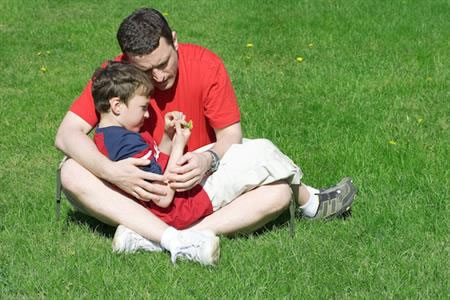
Tantrums: What’s Really Going On—and How to Respond
Tantrums can feel overwhelming—for you and your child. In the moment, it may look like defiance or manipulation. But tantrums aren’t misbehavior—they’re overwhelm. Most tantrums are actually a sign that your child is flooded with big feelings, and doesn’t yet have the skills to manage them.
If you’ve ever felt unsure what to do in those moments—or worried you’re making things worse—you’re not alone. With the right approach, tantrums become an opportunity to help your child build self-regulation.
This guide will show you what to do in the moment, what tantrums really mean, and how to respond to tantrums at different ages.
What to Do in the Moment
- Stay as calm as you can.
Your child’s nervous system is looking to yours for cues of safety. Even a small shift—lowering your voice, softening your body—helps. - Move closer, not farther away.
Your child may push you away, but they still need your presence. Stay nearby so they don’t feel alone with overwhelming feelings. - Acknowledge what your child is feeling.
“You’re so upset. You really wish you could....” This helps your child feel seen—and begins to calm the storm. - Hold the limit, kindly and firmly.
“It's time to leave the playground." You’re not giving in—you’re helping your child feel safe. - Wait for the wave to pass.
In the middle of a tantrum, your child can’t reason or learn. Your job is simply to help them through it.
Understanding Tantrums
Tantrums happen when a child's emotional brain overwhelms their thinking brain. Your child isn't choosing to behave badly—they're overwhelmed. Here's what actually helps your child calm down—and what doesn’t.
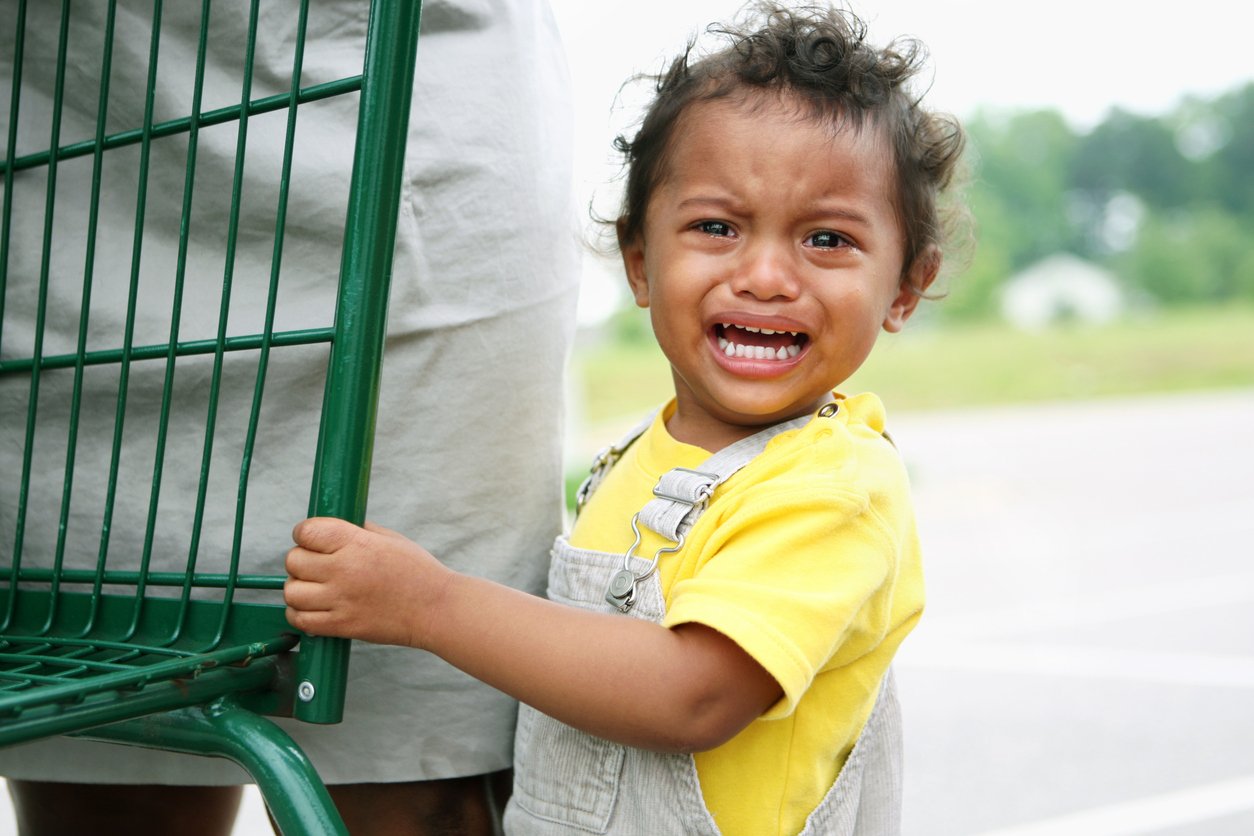
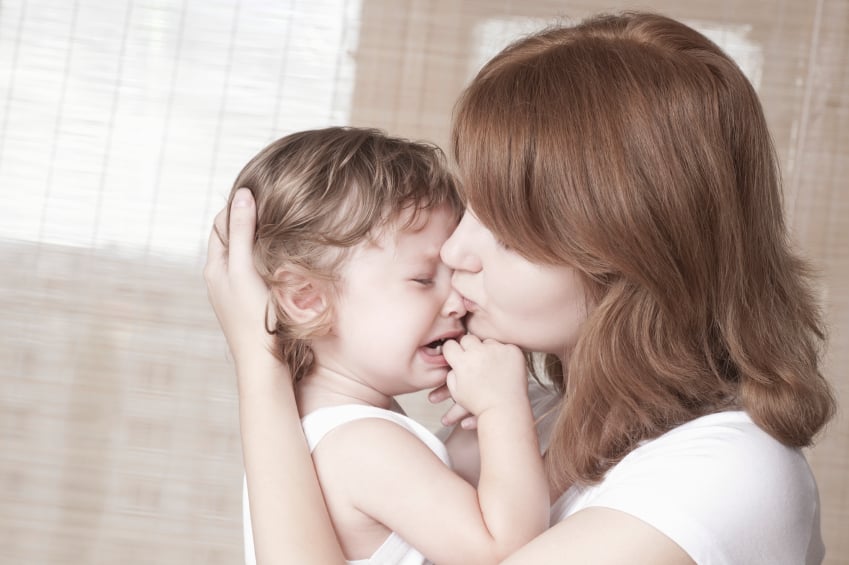

Toddler and Preschooler Tantrums
Toddlers and Preschoolers have big feelings and very few self-regulation skills. Connection, predictable routines, adequate sleep, and opportunities to release feelings all help reduce tantrums over time.


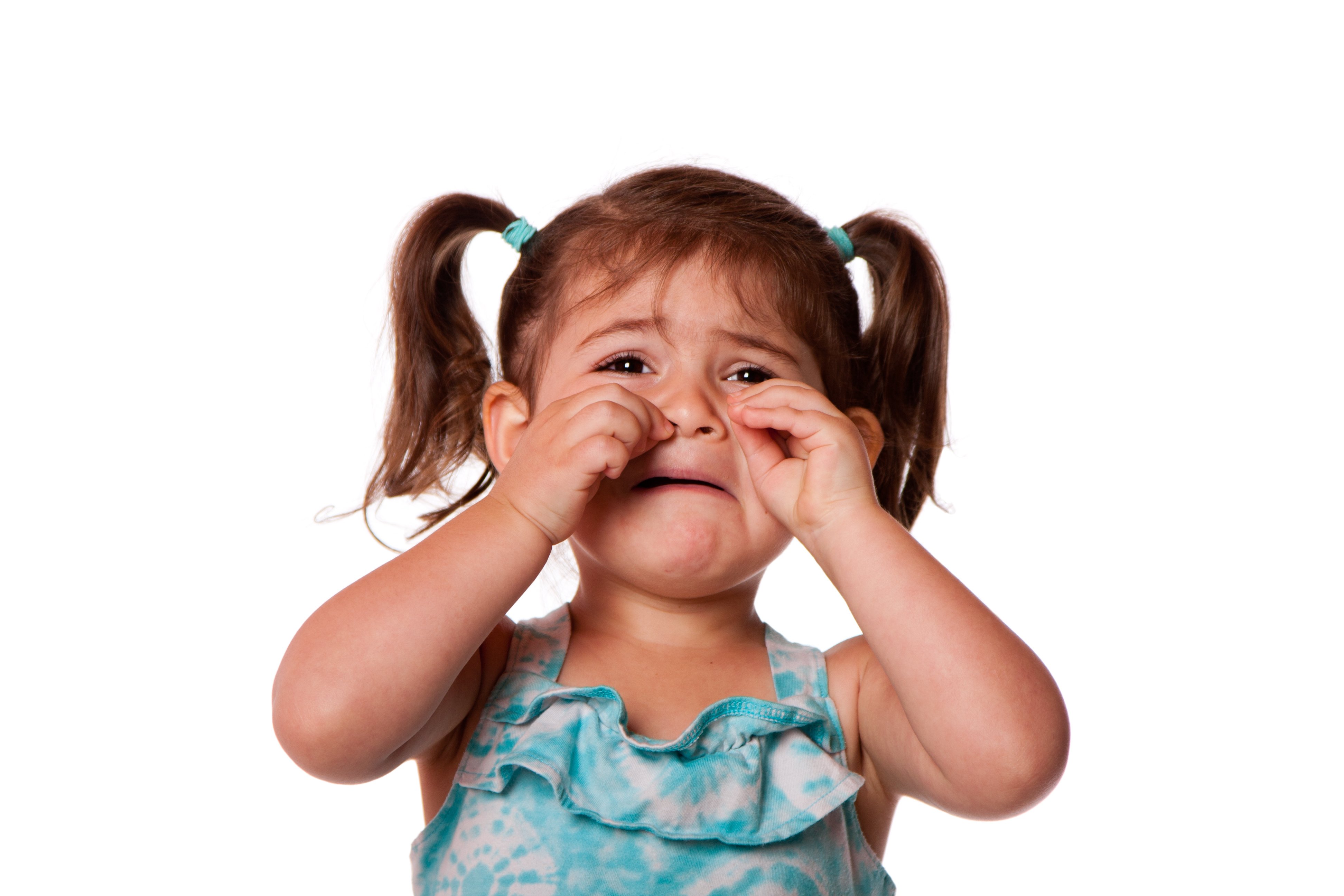
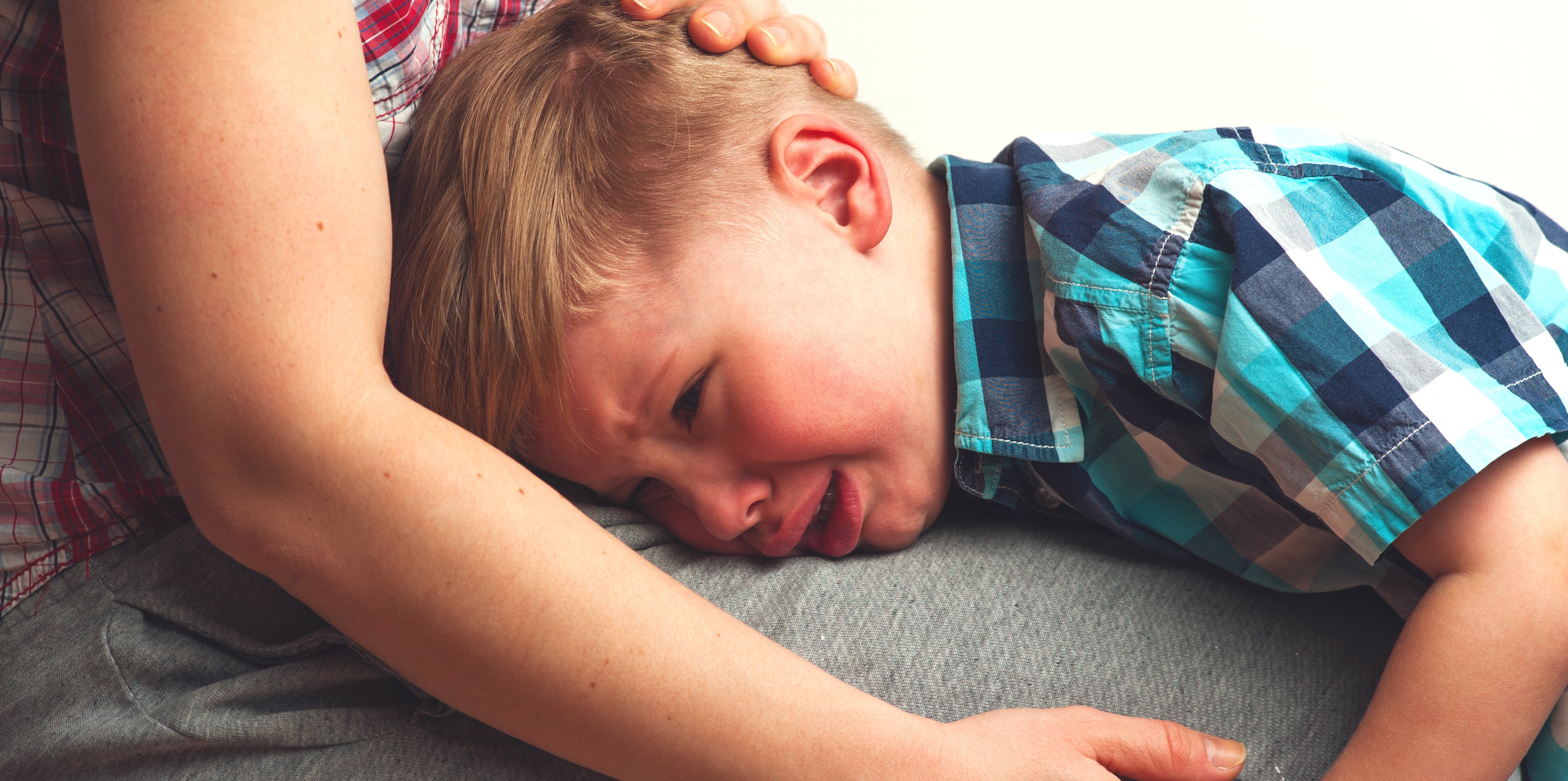
Aggressive Tantrums
When kids get very dysregulated, sometimes their anguish comes out as aggression, hitting, kicking or screaming. The good news is that how you respond in those moments doesn’t just calm the current storm—it actually helps your child build the brain pathways for self-regulation over time. Here’s what helps. (If your child’s tantrums include hitting or aggression, you may also want to see our guide on anger and aggression).


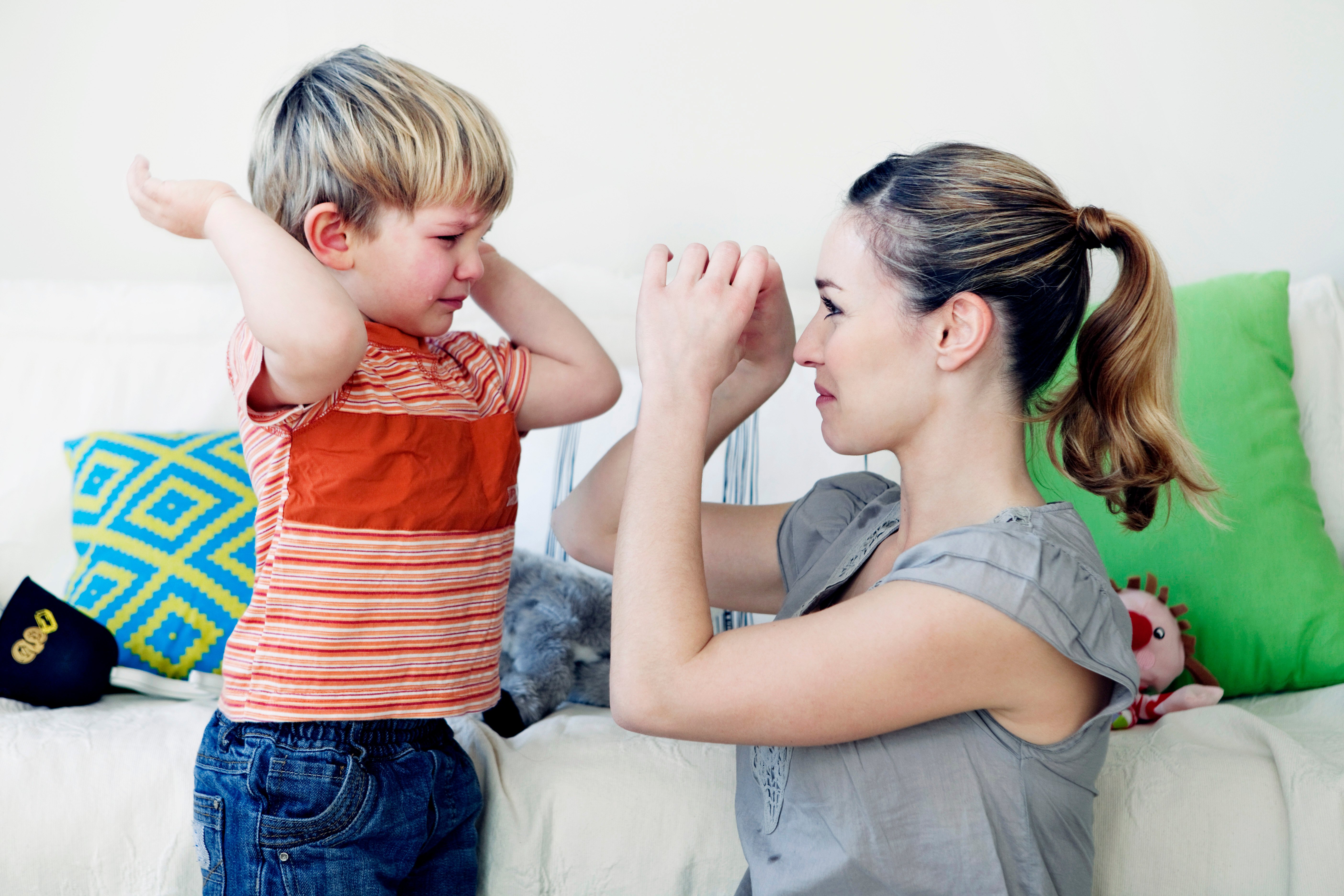
Big-Kid Tantrums
Tantrums indicate a nervous system in protection mode. Instead of punishing or trying to stop tantrums, stay close, empathize, and offer your calm co-regulation. When your child feels seen, safe, and soothed, they begin to learn how to handle big emotions more gracefully over time. Here's how to respond to big-kid tantrums and help your child learn to self-regulate.