
When Your Child Is Angry or Aggressive: What Helps
All children get angry sometimes. They may yell, hit, throw things, lash out, or seem completely out of control.
Anger isn't the problem. Anger is a signal that your child is overwhelmed, frustrated, hurt, or dysregulated. When we understand what's underneath the anger, we can respond in ways that help children feel safe, regain control, and learn better ways to express themselves.
If your child is angry, hitting, or lashing out, start with the resources below. You'll find guidance for handling anger in the moment, responding to aggression, and helping your child develop self-control over time.
Help in the Moment
The best place to start when your child is angry—clear, practical guidance on how to respond without escalating the situation. When your child is furious, the goal is not to lecture or punish. The goal is to keep everyone safe, stay as calm as you can, and help your child move back toward regulation.
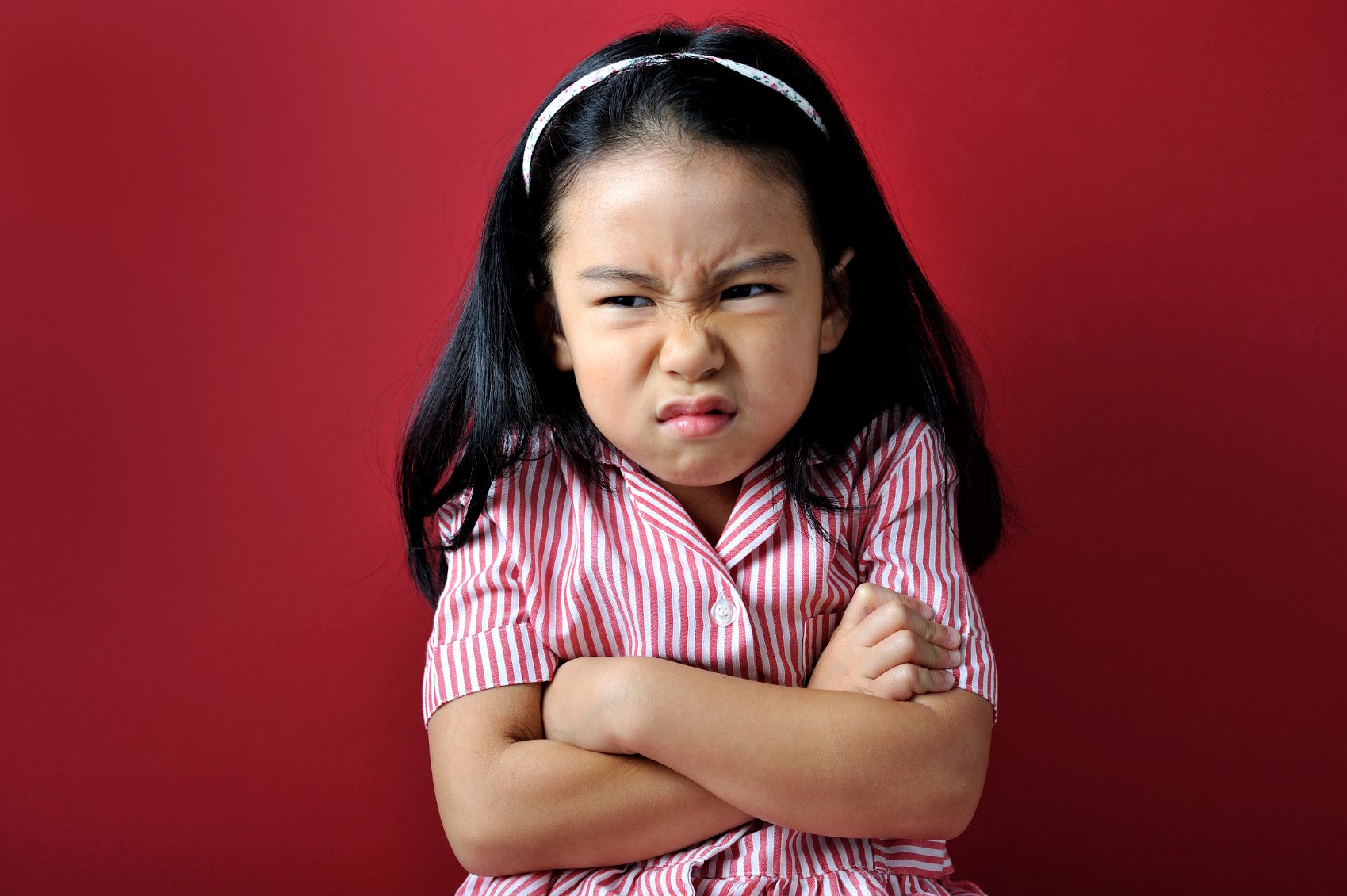


When Your Child Hits
Aggression needs a clear limit—but children also need help with the feelings driving the behavior. What to say and do in the moment when your child hits, so you can stop the behavior without escalating the anger. For help with Sibling Hitting, see the Sibling Section.
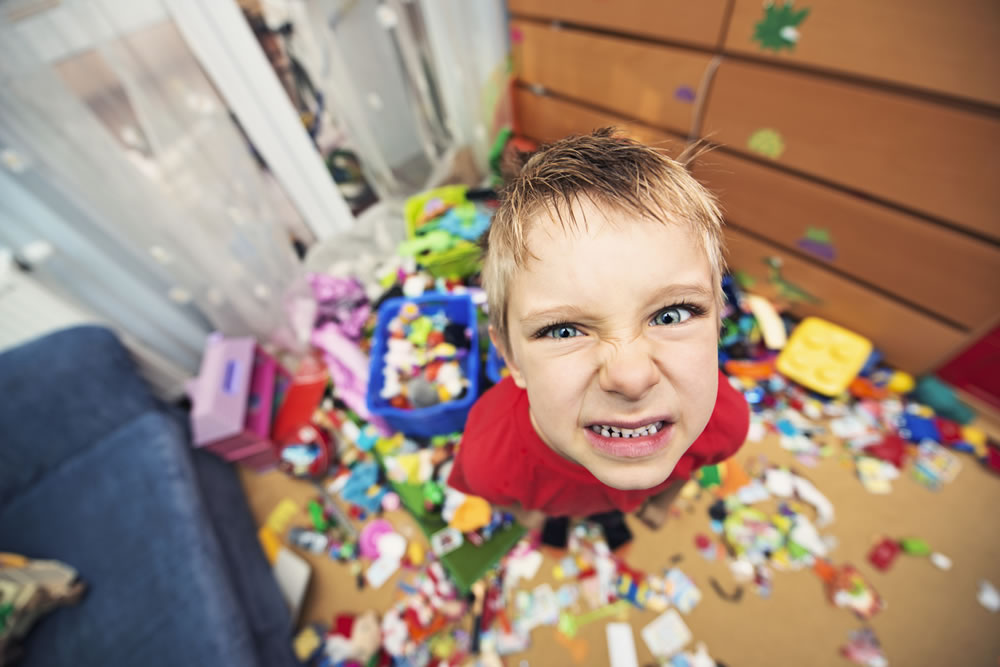




When Anger Leads to Meltdowns and Aggression
For explosive behavior, rages, and frequent loss of control. Some children don’t just get upset—they become physically aggressive, hitting, kicking, or screaming when overwhelmed. These are often intense tantrums, not deliberate misbehavior. Understanding this can help you respond in ways that calm the situation instead of escalating it. If your child is having frequent meltdowns or losing control, see our guide to tantrums and emotional outbursts.





Understanding and Responding To Anger
Angry behavior usually has deeper roots—frustration, fear, shame, exhaustion, disconnection, or a nervous system in overload. The articles in this section give you a deeper look at what’s underneath your child’s anger—why it happens and what it’s really communicating--as well as clear roadmap for how children develop self-control over time—and how to support your child in learning to manage anger.
-

Why Is Your Child So Angry? (What It’s Really Telling You)
-

How to Help an Angry Child (And Build Self-Control Over Time)
-

What About Consequences for Aggressive Behaviors Like Hitting?
-

How to Stay Calm When Your Child Is Angry (Without Yelling Back)
-

Teaching Emotional Intelligence When Emotions Run High
-
Timeouts When Kids Hit? Only By Staying With Them