How to Stay Calm With Your Child (Even When You Feel Angry)
Every parent loses their temper sometimes.
You might snap, raise your voice, or feel a surge of anger that seems to come out of nowhere—and then feel awful afterward. You’re not alone. Parenting is demanding, and children have a way of pushing the exact buttons we didn’t even know we had.
If you’re struggling with parental anger—feeling reactive, overwhelmed, or like you’re yelling more than you want to—you’re not alone, and you can learn to handle those moments differently. You just need the right support.
The good news is that anger doesn’t mean you’re a bad parent. It’s a signal from your nervous system that you’re overwhelmed or triggered. And with the right support, you can learn to pause, calm yourself, and respond in ways that actually help your child—and strengthen your relationship.
If you’re feeling overwhelmed, here's your game plan:
How to Stay Calm with Your Child: Stop, Drop, and Breathe
Once things feel more calm, come back to this guide for more support to:
- Stop yelling and reacting
- Understand your triggers
- Build your capacity to stay calm
- Learn how calm leadership helps children cooperate
- Learn how to help your child want to cooperate, without any yelling on your part.
You don’t have to be perfect. Just increase your ratio of good to bad moments. Every time you pause instead of reacting, every time you come back to connection, you’re helping your child feel safe—and helping them want to cooperate, without any yelling on your part.
How To Stay Calm In the Moment
When things get heated, these tools help you pause and respond instead of reacting.


How to Stop Yelling at Your Child
Simple, realistic strategies to help you interrupt the yelling cycle and respond with more connection, and what to do when your child’s meltdowns or defiance pull you into your own reaction.
-

How to Stop Yelling at Your Child (What Actually Works)
-
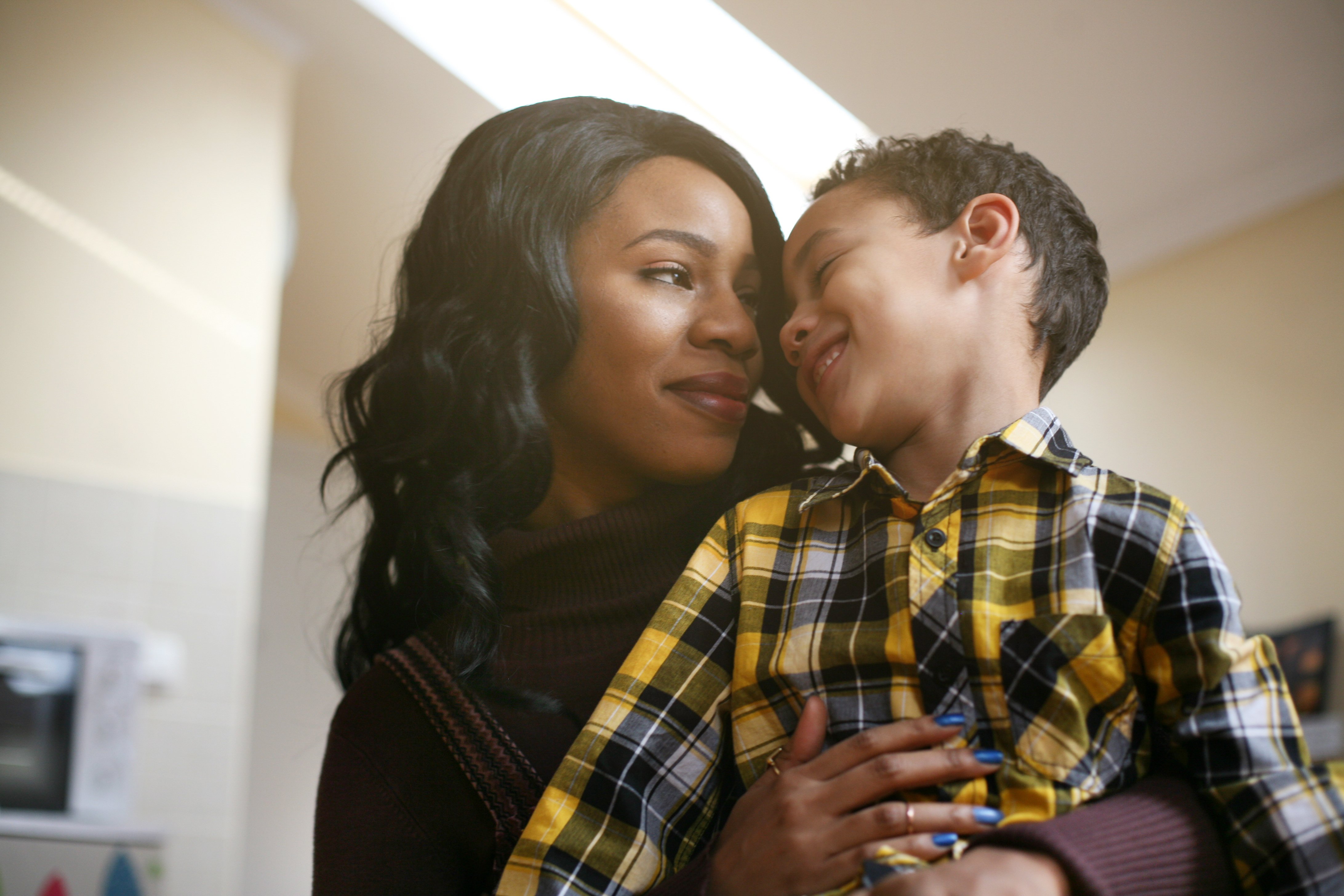
How to Stay Calm With Your Child? The Same Way You Get to Carnegie Hall
-
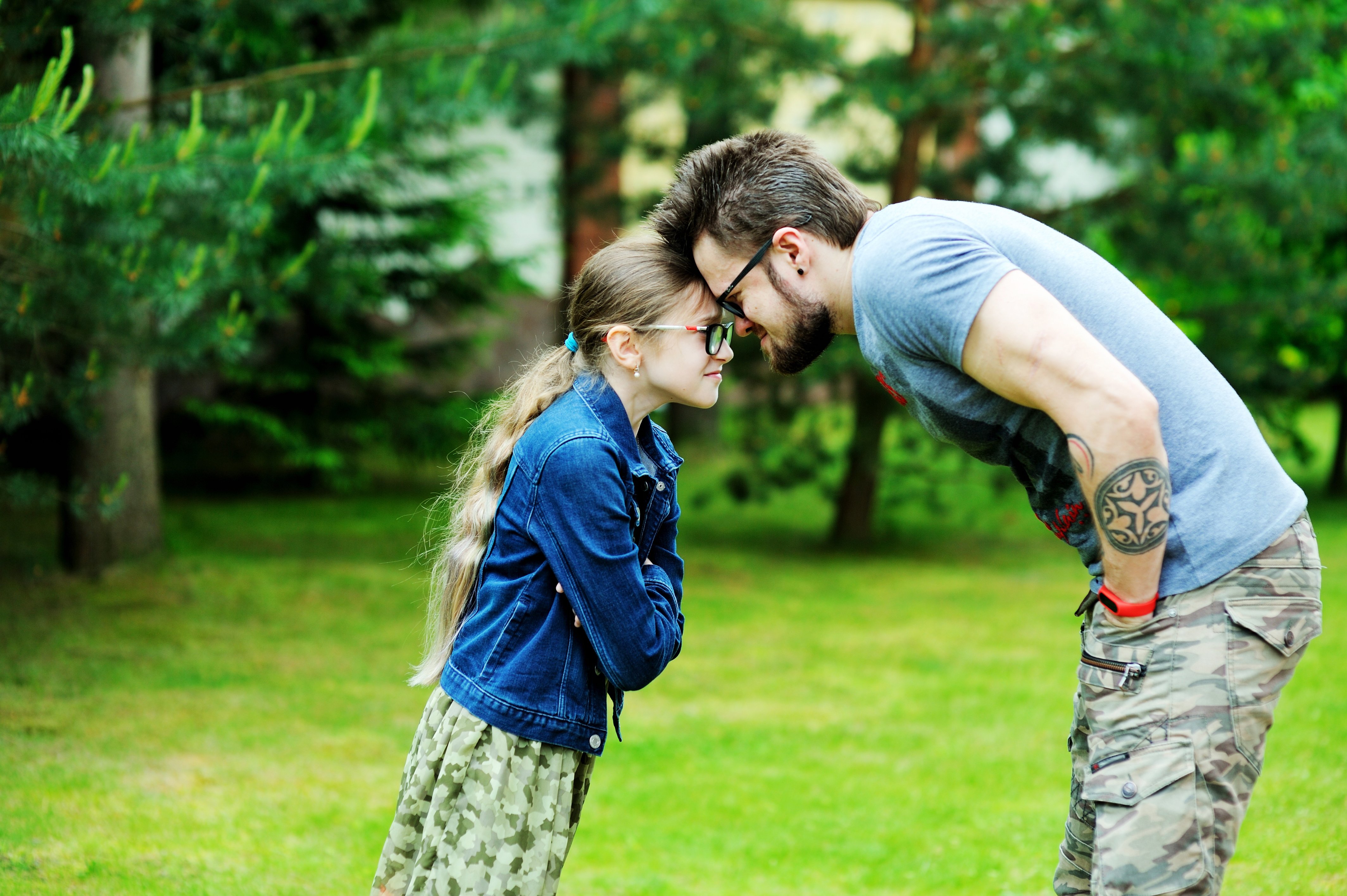
How to Stay Calm When Your Child Is Angry (Without Yelling Back)
-

A Simple Plan to Stop Yelling at Your Child
-

The Secret of Not Yelling When You're Having a Bad Day
-
How Parents Can Stop The Cycle Of Yelling
Understand Your Triggers -- and Heal Them
Anger is often a signal of deeper feelings—like fear, hurt, or overwhelm—and old patterns that get activated under stress. How to use moments of anger as an opportunity for healing and growth, so you’re less likely to get triggered in the future.



Building Your Capacity to Stay Calm
Staying calm isn’t about willpower—it’s about your nervous system. These resources help you strengthen your ability to regulate yourself, even in hard moments.
-

How to Develop Self-Regulation as a Parent (So You Can Stay Calm)
-
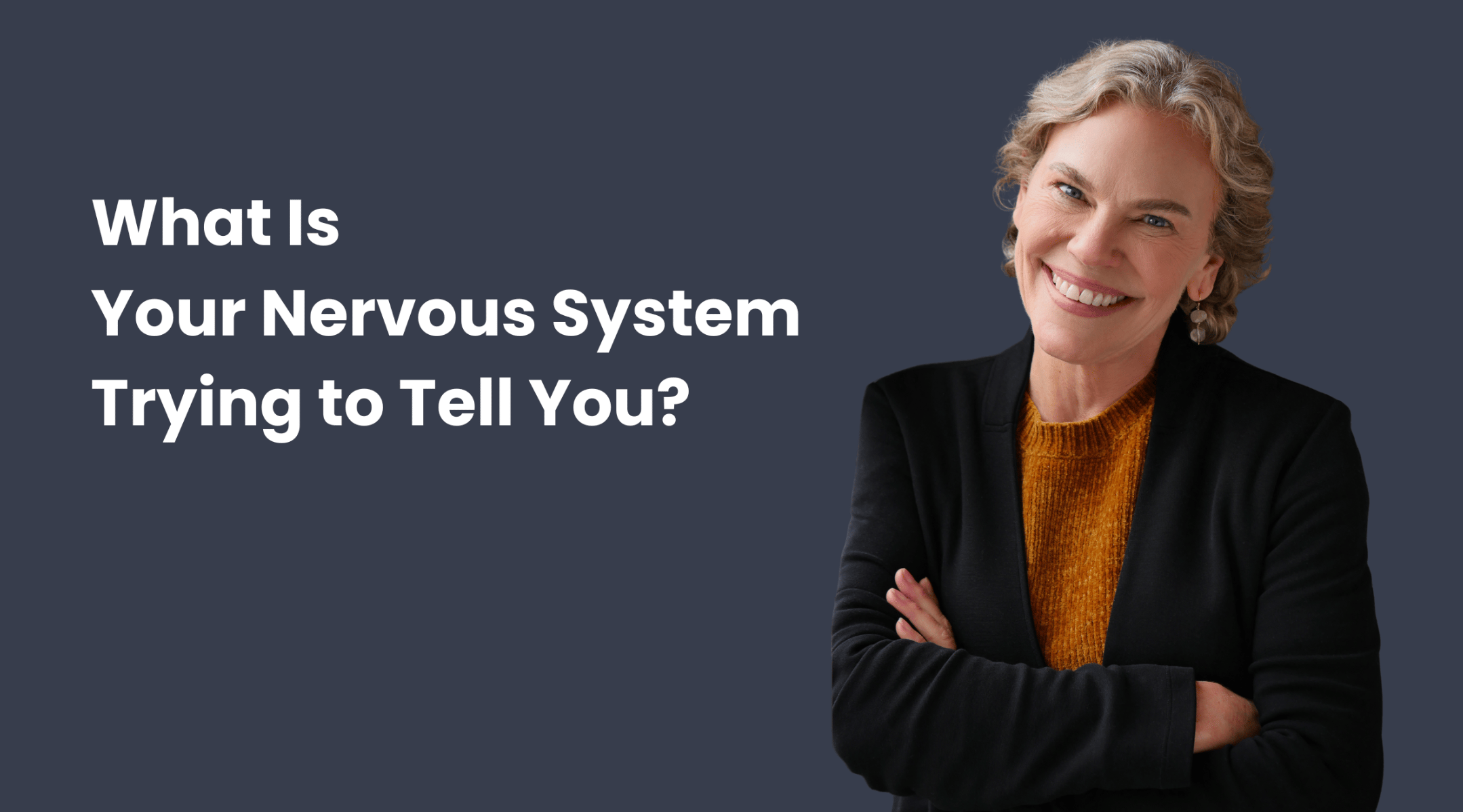
Videos: Making Friends with Your Nervous System
-
7 Tips to Stay Cool When Your Child Acts Up
-

Healing Yourself So You Can Be a More Peaceful Parent
-

Unconditional Love is Like a Muscle -- It Needs a Daily Workout
-
The Surprise Side Benefit of Regulating Your Own Emotions
Rethinking Anger in Parenting
Many of us were taught that expressing anger is “honest” or necessary. But with children, there’s a more effective way. Here's how to be authentic about your feelings without overwhelming your child—and how to communicate in ways that build trust.