
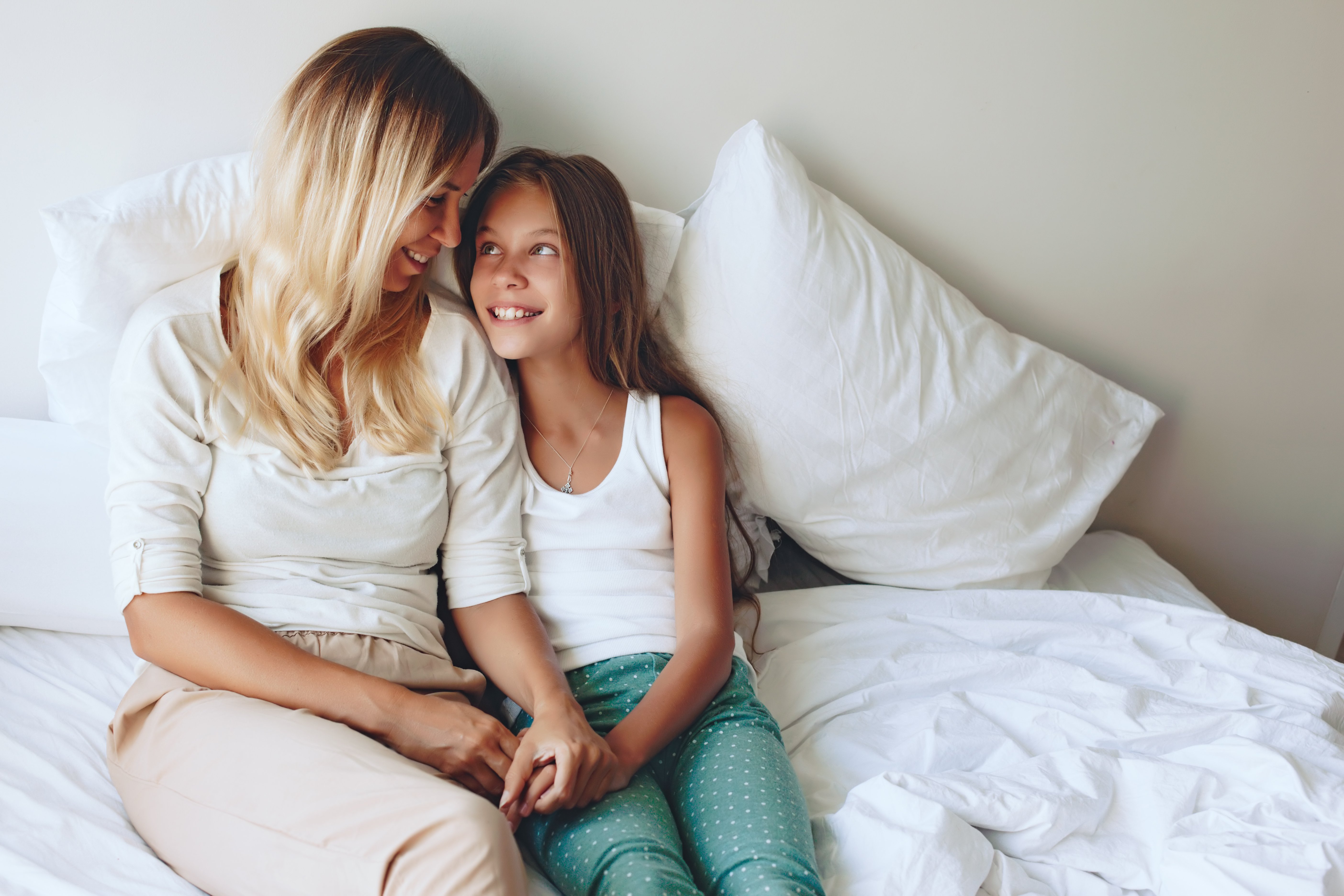
The good news is that you can stop yelling. Not by being a perfect parent, and not by controlling your child—but by learning to regulate yourself, stay connected, and guide your child more effectively.
"Dr Laura....I'm trying to stop yelling for the new year, but I can't. And I can't imagine getting my kids to listen if I don't yell at them.... Can you move in with me for a week?!” – Cheralynn
Like Cheralynn, most parents think they should stop yelling—but don’t believe there’s another way to get their child’s attention. After all, it’s our job to teach them. How else can we get them to listen? It’s not like yelling hurts them—they barely react, they roll their eyes. Of course they know we love them… right?
Wrong. The truth is that yelling does affect children.
Yelling scares kids. It makes them harden their hearts to us. When we yell, children go into fight, flight, or freeze—so they stop learning whatever we’re trying to teach. Over time, it trains them not to listen until we raise our voice. And it teaches them to yell back.
If your child doesn’t seem afraid of your anger, it may mean they’ve had to develop defenses against it—and against you. The result is a child who is less likely to want to cooperate.
Whether or not they show it, our anger pushes children away. Yelling at them practically guarantees more power struggles over time—and less influence for us, just when we need it most.
But believe it or not, there are homes where parents don’t raise their voices in anger. Not because the children are perfect—or the parents are—but because the parents have learned to manage their own emotions.
These parents still set limits. They still get triggered. But they’re aware enough to pause and regulate themselves, so they don’t take their emotions out on their children.
Do you think you’d need your own private emotion coach to stop yelling? Luckily, you already have one—yourself.
The only way to become the calm, patient parent you want to be is to “parent” yourself compassionately—learning to guide your own emotions so you don’t take them out on your child.
How do I stop yelling at my child?
You can stop yelling at your child by:
- Pause before reacting (Stop–Drop–Breathe)
- Calm yourself before you intervene with your child
- Connect with your child before correcting
- Set limits earlier—before things escalate
- Repair the relationship if you do yell
Why Parents Yell at Their Kids
Most parents don’t want to yell—but in the moment, it feels like the only way to get through.
We yell because:
- We’re overwhelmed or stressed
- We feel like our child isn’t listening
- We’re afraid we’re losing control
- We’re triggered by our child’s behavior
In those moments, our nervous system shifts into fight-or-flight. Our child looks like the problem—and yelling feels justified. But yelling isn’t actually about our child’s behavior. It’s about what’s happening inside us.
Why Yelling Doesn’t Work (and What It Does to Your Child)
Yelling may get a child’s attention in the moment—but it backfires in every way that matters.
- It scares children. Even if they don’t show it, yelling activates their stress response.
- It shuts down learning. When kids feel threatened, they move into fight, flight, or freeze.
- It erodes connection. Children harden themselves against our anger—and against us.
- It teaches the wrong lessons. Kids learn to yell when upset and to ignore us until we raise our voice.
If your child doesn’t seem affected by yelling, it usually means they’ve developed defenses against it.
What Actually Works Instead of Yelling
There are families where parents don’t yell—not because they’re perfect, and not because their children are easy—but because the parents have learned to manage their own emotions.
The key isn’t controlling your child. It’s learning to “parent” yourself.
That begins with a simple but powerful shift:
Your job is to create safety
Your #1 job as a parent is providing both physical and emotional safety—and that includes managing your own emotions.
Your calm helps your child feel safe enough that they don’t get defensive, so they want to do better. It’s also how your child learns emotional regulation--from you.
If you’re too stressed to slow down and be respectful, then it’s your job to get the support you need—through rest, help, or self-care. Your children deserve that. And so do you.
When you stay calm and connected, your child feels safe—and is more likely to cooperate. If you’d like more support with building that connection, you might find this helpful: 10 Habits to Stay Connected to Your Child.
Remember that kids will act like kids
Children aren’t giving you a hard time—they’re having a hard time.
They’re immature humans, learning how the world works and how to get their needs met. They experiment with power, push limits, and get overwhelmed by big emotions. Their prefrontal cortex isn’t fully developed, so when they’re upset, they literally can’t think clearly.
And, like other humans, they don't like feeling controlled. So while more empathy and respect from you will make them more cooperative, you can expect some childish behavior as long as you live with children, even if you stop yelling. Your child won’t always be able to regulate themselves—but you can. You're the grown-up.
Offer empathy first
When your child expresses emotion—any emotion—your empathy helps them feel understood. When kids believe that we're on their side and understand, even when we need to say no, they're more cooperative.
It also helps your child start to acknowledge and accept their own feelings, which is the first step in learning to manage them. Once children can manage their emotions, they can manage their behavior. And you won't feel frustrated enough to yell as often.
Many parents tell me they aren’t sure how to respond with empathy in the moment. If that’s true for you, you might find this helpful: How to Empathize with Your Child.
Connect before you correct
If you try to teach while you're angry, you'll find yourself shaming. It's not a teachable moment until everyone is calm and reconnected.
Shouldn't you "correct"? Of course! But that works best if you connect first. Until your child feels understood and reconnected, she can't hear your guidance. There's always time to teach lessons later, once you and your child have both calmed down. Then you can teach the lessons you actually want to teach.
For more on setting limits in a way that helps your child want to cooperate, see Effective Limits: How to Set Boundaries Your Child Will Accept.
5 Tools to Help You Stop Yelling in the Moment
Learning to stop yelling at your child doesn’t happen overnight—but it becomes easier with practice. Every time you stop yourself from raising your voice--even if you're in the middle of shouting--you're developing the neural wiring that makes it easier next time.
1. Stop, Drop, and Breathe
When you feel anger rising:
- STOP. Shut your mouth. Don’t take any action or make any decisions.
- DROP your agenda—just for now—until you calm down.
- BREATHE deeply. If you’re already yelling, stop in mid-sentence. Turn away. Shake out your hands.
That urgent need to “set your child straight”? That’s your nervous system in fight-or-flight. Don’t act until you’re calmer.
2. Take a Parent Time-Out
Turn away physically if possible. Splash water on your face. Shift your attention inward.
Turn away from your child physically. Take a deep breath. If you can't leave the room, run some water and splash it on your face to shift your attention from your child to your inner state.
3. Feel What’s Under the Anger
Anger often covers fear, sadness, or overwhelm. Let yourself feel those emotions without acting on them. Let the tears come if you need to. Be kind to yourself. Once you let yourself feel what's under the anger -- without taking action -- the anger will begin to melt away.
4. Change the Story in Your Mind
Imagine there's an angel on your shoulder who sees things objectively and wants what's best for everyone in the situation. This is your own personal parenting coach. What does she say? Can she give you a mantra to see things differently, like:
- "I don't have to "win" here... I can let her save face."
- "He's acting like a child because he IS a child."
- "This behavior signals how upset she is inside; how much she needs my help."
- "I don't have to be right. I can just choose love here."
5. Take One Positive Step
Focus on helping everyone feel better—reconnect, reset, or start over.
- You might try a do-over to get everyone back on track, by restating your correction in a more positive tone.
- Or you apologize, if you were raising your voice.
- It might mean you get your cranky child laughing, and if that doesn't work, support her through a good cry so that you can all have a better day.
- Maybe you blow off the dishes and just snuggle under the covers with your kids and a pile of books until everyone feels better.
Just take one step toward helping everyone feel, and do, better -- including you.
What to Say Instead of Yelling at Your Child
You can still set limits—without yelling or anger. When you connect before you correct, your child feels understood—and becomes more open to your guidance. When you’re about to yell, think: How can I empathize with what my child is feeling, and set the limit at the same time?
Here are examples of what to say in the moment:
When your child is acting out physically
“No hitting. I’ll help you.”
When your child doesn’t want to cooperate
“You wish you could keep playing. It’s hard to stop.”
When your child is overwhelmed or yelling
“You’re really upset, so you’re shouting. I hear you. I’m right here to help.”
When your child is melting down or having a tantrum
“You’re really upset. I’m right here. I’ll help you.”
If tantrums are a regular struggle, you might find this helpful: What to Do About Tantrums.
When children feel understood, they don’t need to escalate to be heard. That’s what helps them calm down—and makes it possible for them to cooperate.
What to Do After You Yell at Your Child
You're human, so you will yell sometimes. Forgive yourself now. What matters is what you do next.
- Pause and calm yourself
- Reconnect with your child
- Repair the relationship
You might say:
“I’m sorry I yelled. That must have felt scary. I’m working on staying calm.”
This models for your child how to take responsibility.
Why It’s So Hard to Stop Yelling (and How It Gets Easier)
Managing your own emotions isn’t about trying harder — it’s about giving yourself the support you need as you build new habits. That starts with paying attention to your own well-being. When you notice stress or frustration rising, you meet yourself with compassion — and offer yourself what will help you feel steadier again. That’s how you become the emotionally generous parent your child deserves.
And support doesn’t come only from inside. It also means shaping your environment to support you — enough rest, less stress, help with childcare, and steady guidance from parenting books, courses, or a supportive community that reminds you you’re not alone. This is the quiet, essential work of parenting — re-parenting ourselves.
You will mess up. That’s part of the process.
But over time:
- You stop yourself mid-yell
- Then before you yell
- And eventually, you don’t yell
Notice the times that are hard and think about how you can give yourself more support for those times. Step by step, you build new habits.
A Simple Plan to Stop Yelling (Step-by-Step)
If you want a practical system to help you change the habit of yelling, read:
A Simple Plan to Stop Yelling at Your Child
Frequently Asked Questions
Why do I keep yelling at my child?
Most parents yell when they feel overwhelmed, triggered, or out of control. In those moments, your nervous system shifts into fight-or-flight, and yelling becomes a reflex. If you've struggled to stop yelling, that's because it doesn't really work to try harder. What works is giving yourself more support, so you can stay regulated. Every time you resist yelling, you're changing your brain, so it gets easier next time.
Is yelling harmful to children?
Yes. Yelling activates a child’s stress response, which makes it harder for them to think, learn, or cooperate. Over time, it can also create emotional distance and more "misbehavior," as children become defensive or shut down.
Can I discipline my child without yelling?
Yes. Children are actually more cooperative when parents stay calm, connect emotionally, and set clear limits with empathy. That’s how children learn self-regulation and internalize your guidance.
If you’re looking for effective discipline to guide your child’s behavior without yelling or punishment, you might find this helpful: How to Discipline Without Punishment (What Actually Works).
Final Thoughts
Your child doesn’t need a perfect parent. They need a parent who keeps showing up, keeps learning, and keeps choosing connection—even when it’s hard.
Your connection with your child is stronger than any moment of anger.
The bad news? This is hard. It takes tremendous self-control, and you'll find yourself messing up over and over again. Don't give up.
The good news? It works. It gets easier and easier to stop yourself in mid-yell, and then to stop even before you open your mouth. Just keep moving in the right direction. You're re-wiring your brain. At some point, you'll realize that it’s been months since you yelled at anyone.
The better news? Your child will transform, right in front of your eyes. You'll see him working hard to control himself when he gets angry, instead of lashing out. (Yes! That's your role-modeling!) You'll see him cooperating more. And you'll see him "listen" -- when you haven't even raised your voice.
***
Want to support yourself for real change?
Join us for the Peaceful Parent, Happy Kids Online Course, and gift your whole family a better new year. Take a look at the raves from parents who've taken it to see if you think this self-paced course might be a good fit for you. Scholarships available!
Not ready for the Course yet? If you just want to stop yelling, don't miss this skill-building bundle: Stop Yelling & Start Connecting
Click here to watch Dr. Laura's video: How Parents Can Stop the Cycle of Yelling.