![[PARENTING: EI] - What to Do When Your Child Is Angry](https://files.us-siteglide.com/cdn-cgi/image/format=auto,onerror=redirect/instances/83/assets/images/ChineseAngryGirl.jpg?updated=1790736745)
What’s important to understand is that anger is not misbehavior. It’s the body’s way of signaling that something doesn’t feel right — that a child feels overwhelmed, hurt, frustrated, or disconnected.
The truth is, children don’t learn to manage anger by being punished for it. (If you’re wondering what’s actually driving your child’s anger, you can read more here: Why Children Get Angry.)
They learn when we stay calm, set clear limits, and help them feel safe enough to express and move through those big feelings.
These ten tips will help you respond in ways that reduce outbursts over time — and teach your child how to handle anger constructively.
1. Start with yourself
When your child is angry, your calm is the most powerful tool you have.
If you yell, your child’s nervous system reads that as danger — and escalates. A child who is lashing out is a child who feels threatened, even if the situation seems small to us.
When you stay as grounded as you can, you help your child feel safer, which makes it easier for them to calm down.
You don’t have to be perfect. Just work on pausing, breathing, and softening your tone.
2. Focus on calming, not teaching
In the heat of anger, your child cannot learn.
So don’t try to lecture, reason, or correct behavior in that moment. Your first job is simply to help everyone calm down.
Teaching comes later — after your child is regulated and reconnected with you. (For step-by-step guidance on what to do in those heated moments, see When Your Child Gets Angry: A Step-by-Step Guide.)
3. Acknowledge the feeling
Children calm down when they feel understood.
You don’t have to agree with your child — just show that you see how upset they are:
“You’re so mad right now.”
“That was really frustrating.”
“You didn’t want that to happen.”
Feeling heard helps the intensity of the anger begin to soften.
"The truth about rage is that it only dissolves when it is really heard and understood, without reservation." – Carl Rogers.
Often, underneath anger are more vulnerable feelings — like hurt, fear, or disappointment. The anger feel like armor, or protection, against that vulnerability. When children feel safe enough to let those feelings surface, the anger is no longer needed and naturally begins to dissolve.
(This is the foundation of emotion coaching — you can learn more about it in our Emotional Intelligence guide.)
4. Allow all feelings, but limit behavior
Anger is okay. Hurting people is not.
Set clear, calm limits:
“You can be as mad as you want, but no hitting.”
“I’m right here. I’ll keep us both safe.”
This teaches your child that feelings are acceptable — but actions are their responsibility. (If your child struggles with hitting or aggression, see When Your Child Hits You: A Script.)
5. Don’t send your child away to calm down alone
Children need connection to regulate.
Sending them away can make them feel more alone and overwhelmed, which often prolongs the upset.
Instead, stay close (while keeping everyone safe):
“I’m right here.”
“You’re safe. I’m not going anywhere.”
If your child pushes you away, give them a little space but stay close. Your calm presence helps them regain control.
Children need us most when they seem to deserve us least. Your steady presence helps them feel less alone with those big, scary feelings.
(This kind of support is called co-regulation — you can learn more here: Co-Regulation to Calm Your Child.)
6. Help your child express anger safely
Ideally, we would love for kids to be able to express their anger with reasonable words. But kids feel anger in their bodies and they need ways to move big feelings through their bodies without hurting anyone.
You can encourage:
- Stomping
- Squeezing a pillow
- Yelling into the air
- Dancing out their feelings
After physical expression, your child will be more able to express their feelings--both the anger and the more vulnerable tears and fears driving it-- with words. Over time, they learn that anger can be expressed without aggression. (For more support, see How to Help an Angry Child (And Build Self-Control Over Time).)
7. Watch for early warning signs
Once a child is fully overwhelmed, it’s very hard for them to regain control.
But often there are early signals:
- Whining
- Irritability
- Tension in the body
- Quick frustration
When you notice these, step in early:
“Hey, you’re getting upset. Let’s take a break together.”
Early support prevents bigger explosions. (If your child often moves into full meltdowns, see Tantrums and Emotional Outbursts.)
8. Stay out of power struggles
When children feel pushed, they push back.
If you get pulled into a battle, anger escalates quickly. Instead, stay calm and grounded, and avoid taking the behavior personally.
Your child isn’t trying to “win.” They’re overwhelmed and need help. (For more on avoiding power struggles, see How to Discipline Without Punishment.)
9. Reconnect after the storm
After your child calms down, reconnect before doing anything else.
A hug, a warm tone, or simply sitting together helps your child feel safe again.
This is what allows them to reflect, take responsibility, and repair. (You can read more about helping children repair here: Helping Kids Repair After Mistakes.)
10. Build connection every day
Children who feel connected and understood have fewer angry outbursts.
Small daily habits make a big difference:
- One-on-one time
- Empathy when setting limits
- Physical affection
- Laughter and play
Connection fills your child’s emotional reserves — so they’re less likely to overflow. (For more support, see How to Stay Calm With Your Child.)
Your child isn’t trying to be difficult.
They’re learning how to handle big feelings with a brain and nervous system that is still developing.
Every time you stay calm, set a limit with empathy, and help your child feel safe, you are not just getting through a hard moment — you are helping your child build the ability to manage their emotions for life.
And over time, those angry moments become less frequent, less intense, and a lot easier for both of you to handle.
Less drama, more love.
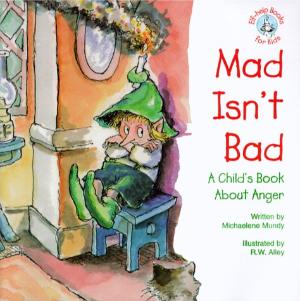
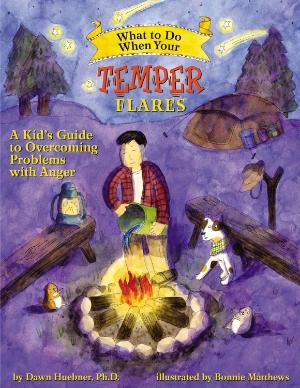
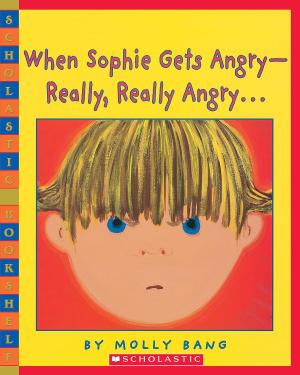
Recommended Resources
PLEASE NOTE: These books are Amazon links with photos of the books. If you are not seeing them on your page, it may be that your browser is not picking them up. Please try a different browser. Enjoy!