Siblings: Stop the Fighting and Raise Friends for Life
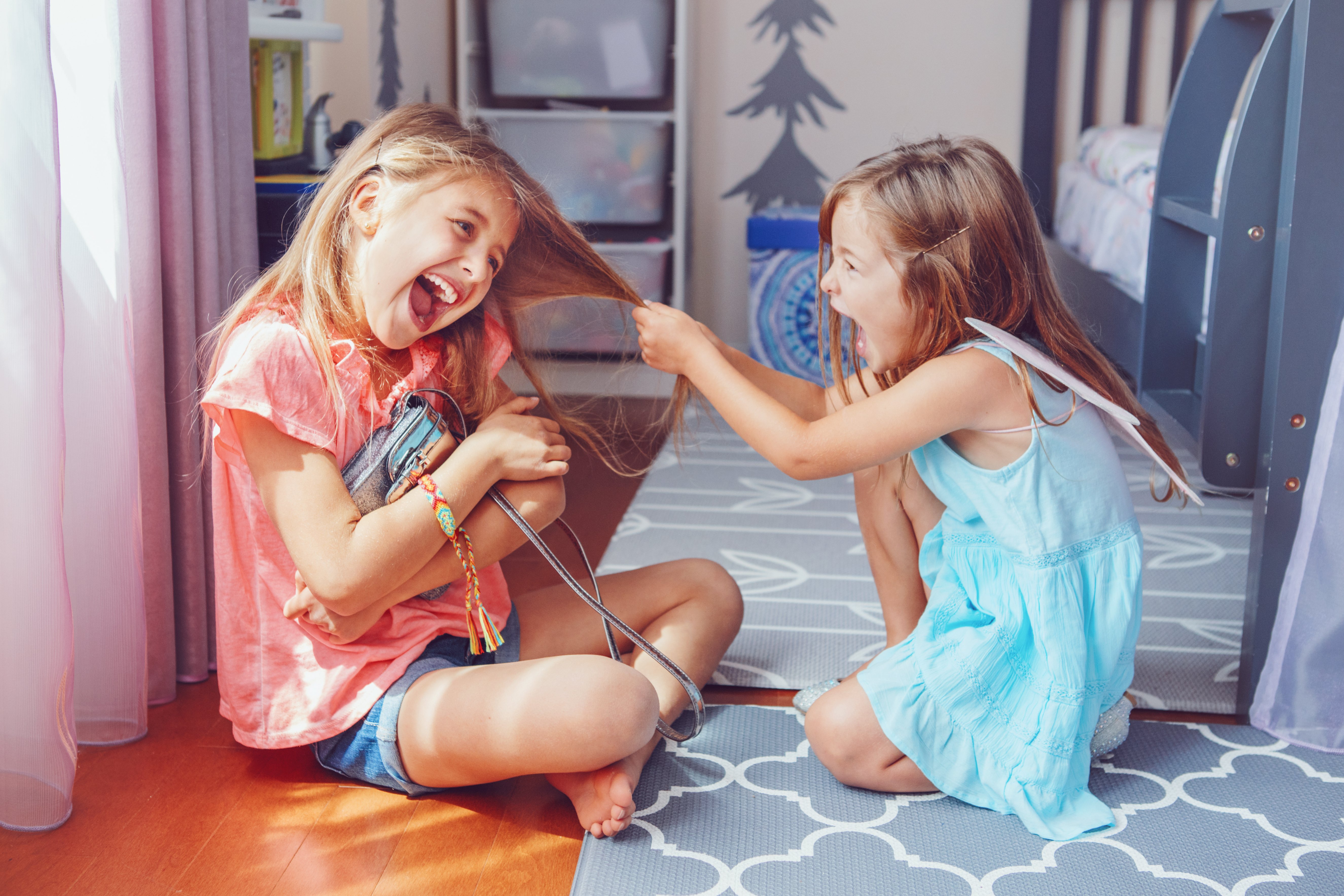
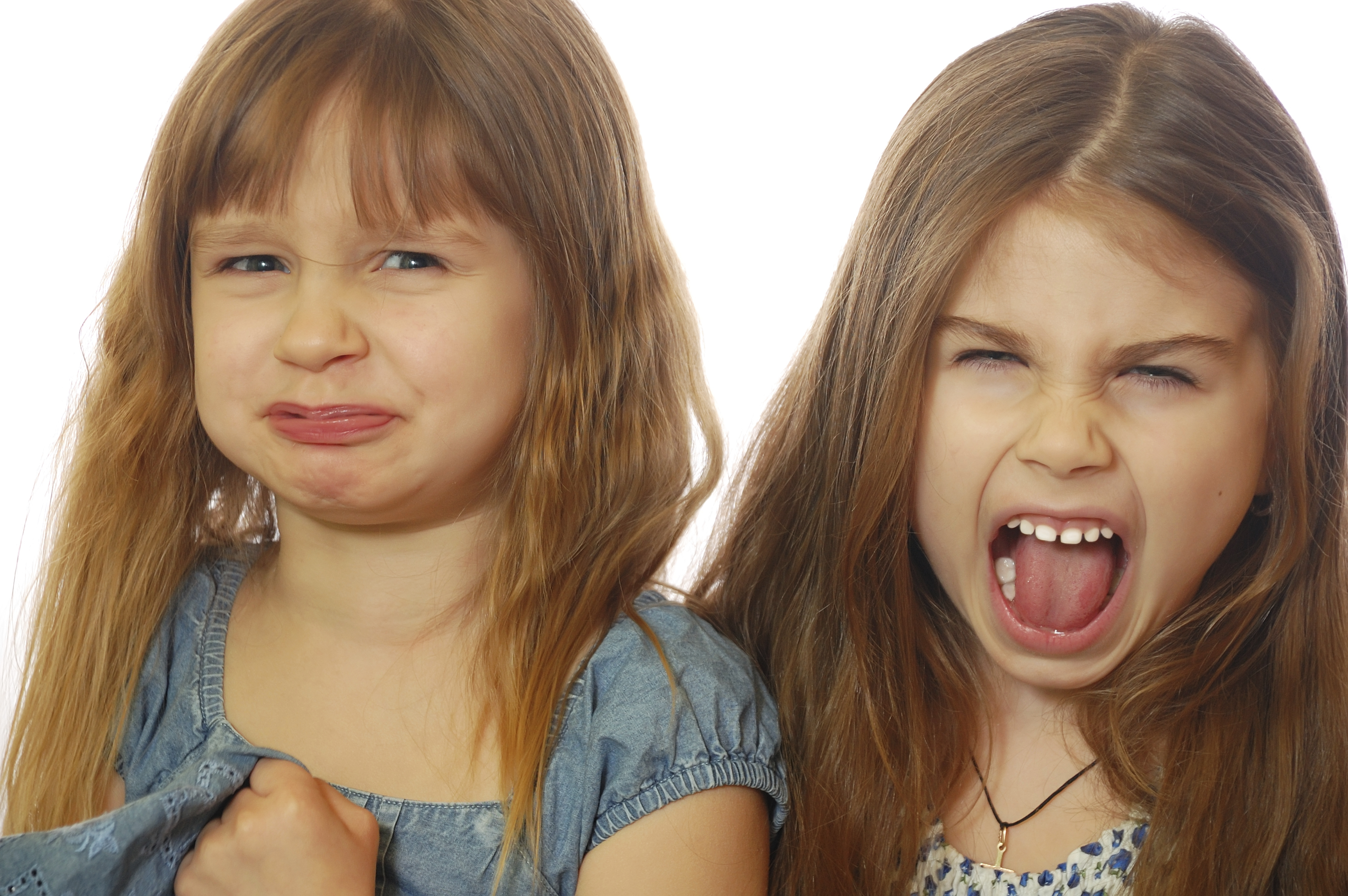
If you have more than one child, you're bound to see some sibling rivalry. Children compete for our attention, have different needs and personalities, and often lack the skills to work through conflicts constructively.
The good news is that sibling relationships don't have to be dominated by fighting. With the right support, children can learn conflict resolution, empathy, and cooperation—and their relationship can become one of the most meaningful connections in their lives.
Whether you're dealing with constant bickering, jealousy, sibling hitting, or major rivalry, you'll find help below.
Kids fighting right now? Start with: How To Intervene in a Sibling Fight.
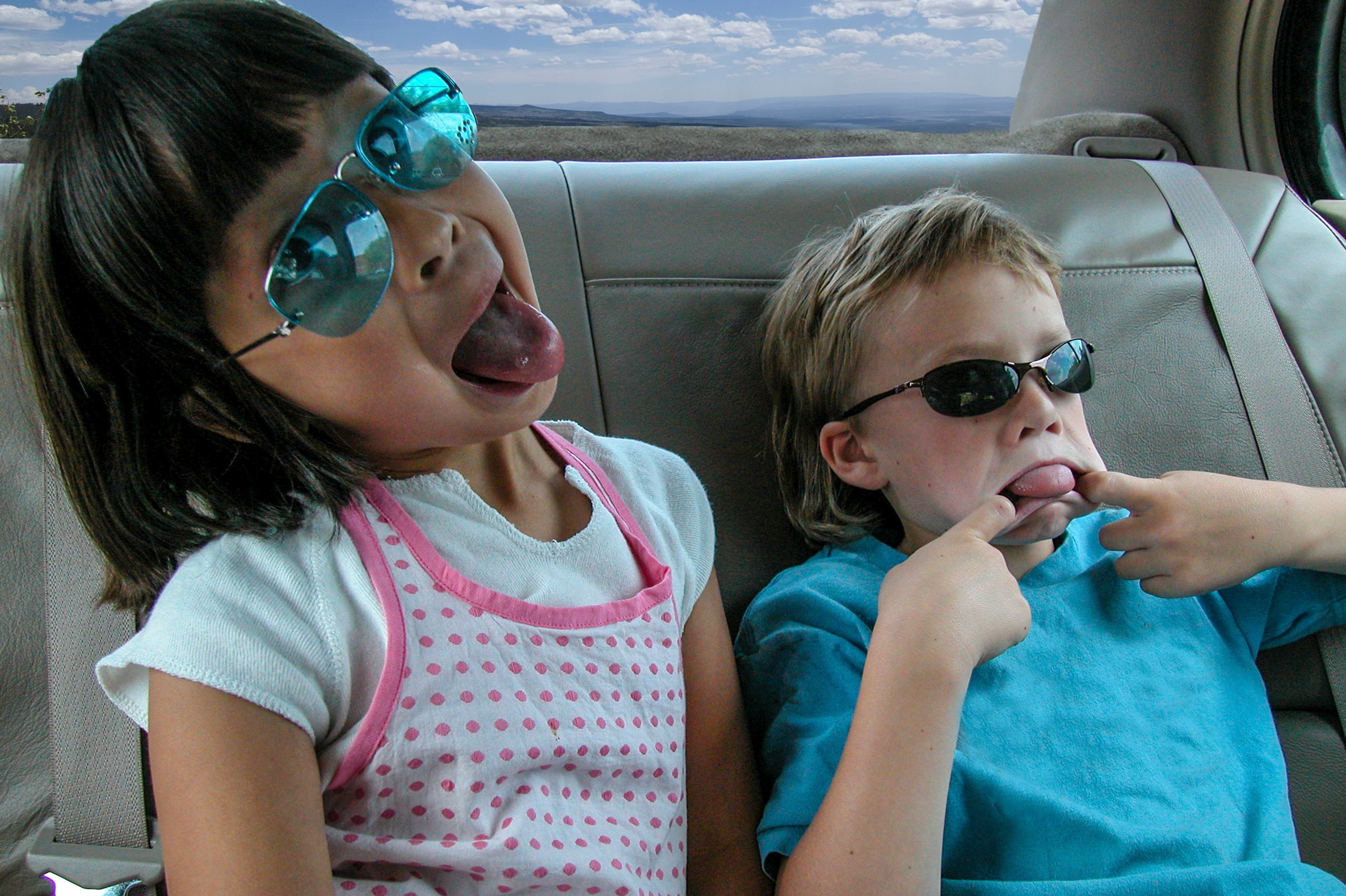
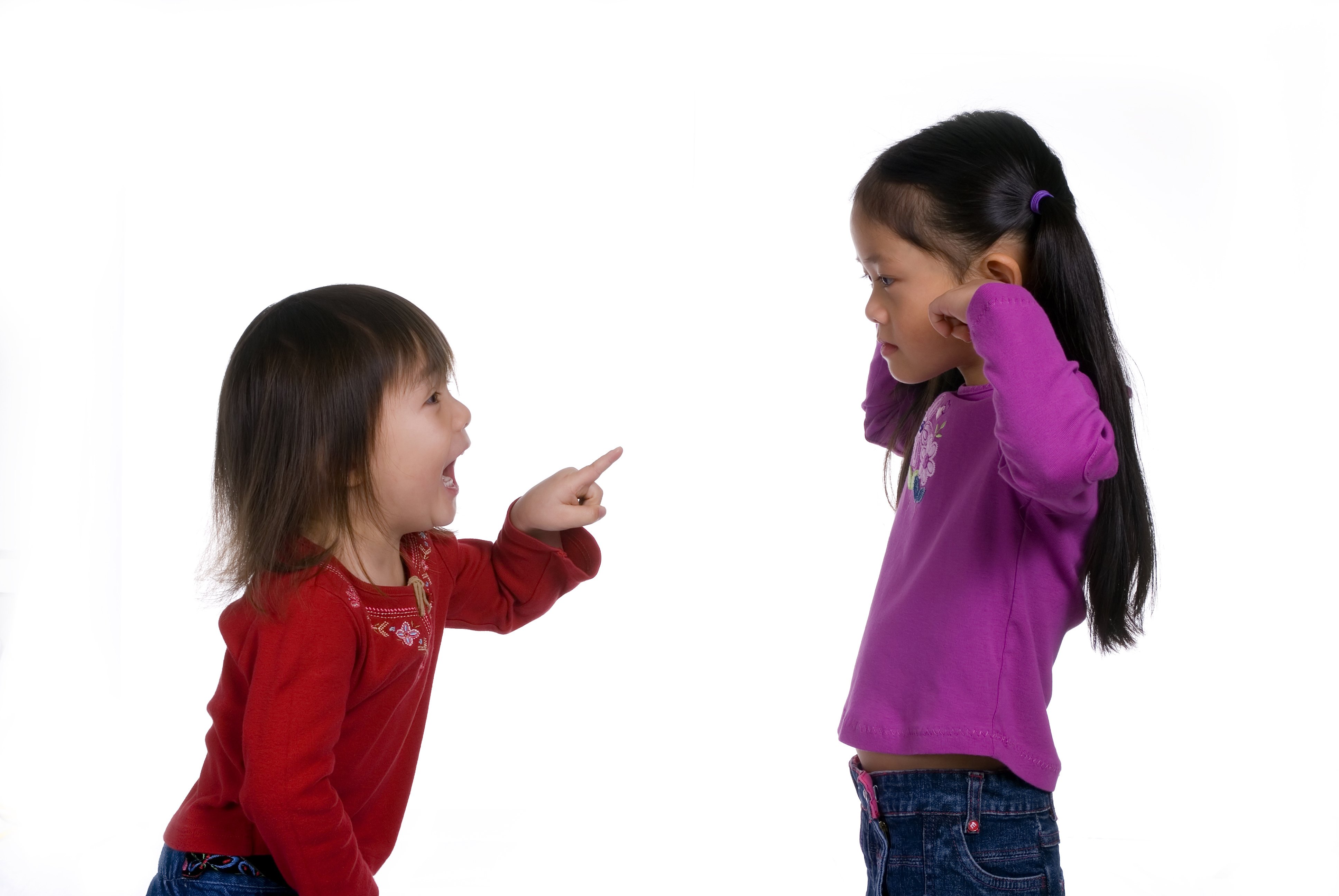
Stop Your Kids' Fighting Right Now
If your kids are fighting right now: Learn what to do in the moment so that both kids feel heard, they learn to express their needs without attacking each other, and they learn the skills to work things out by themselves -- so that soon, you won't have to intervene!
Reduce Day-to-Day Conflict
Many parents say that sibling conflict stresses them out more than any other child-raising challenge. If you want to reduce conflict day to day, these strategies help prevent sibling rivalry and create a calmer home environment.
Teach Skills for a Strong Sibling Bond
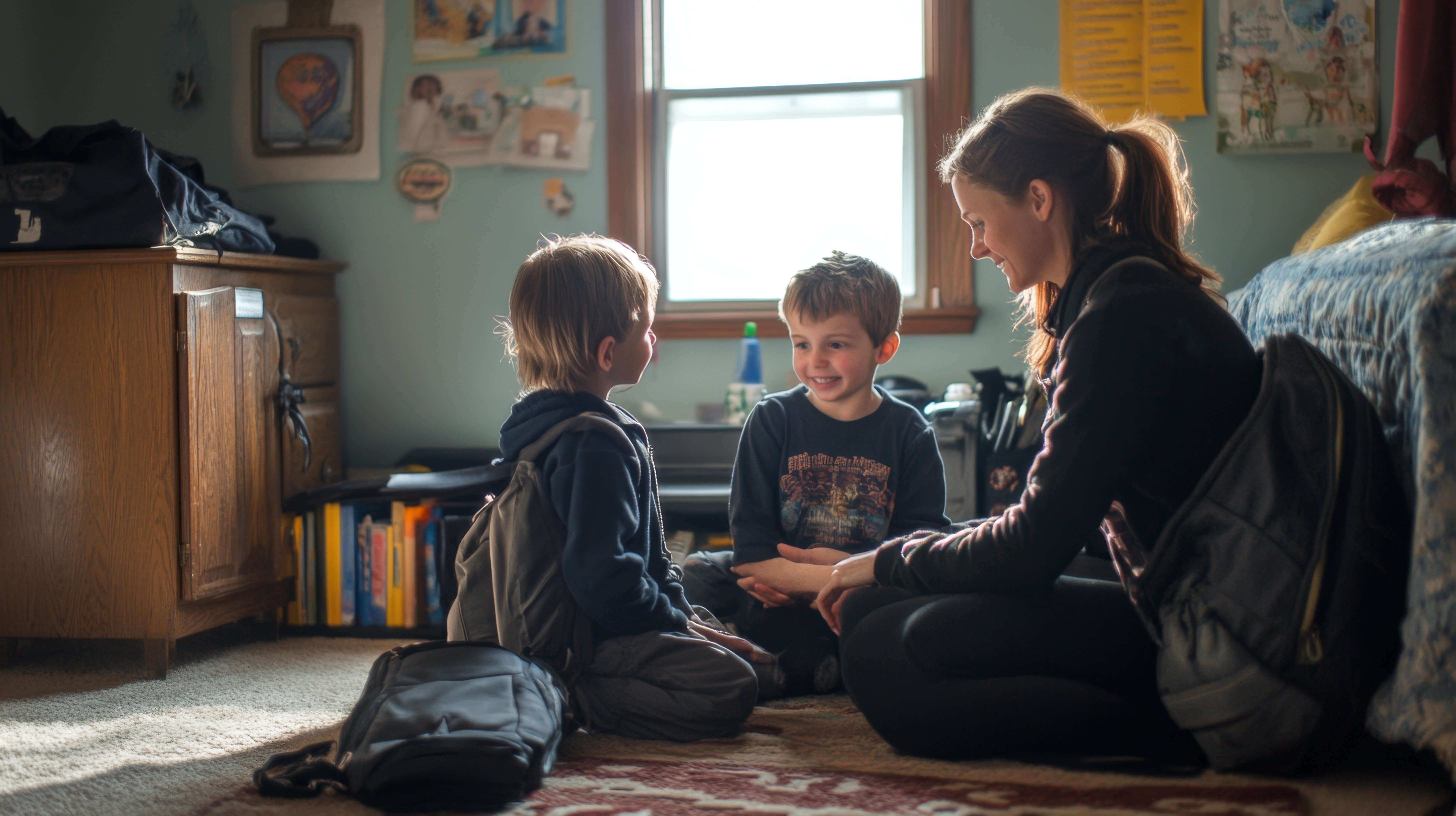
You can't completely avoid sibling rivalry, but the good news is that you as the parent have more power than you know to help your children get along. Learn how to help your children feel close, cooperate more, and actually enjoy each other.
-
Siblings 101: Top Ten Tips to Help Siblings Get Along
-
How to Help Siblings Get Along: 12 Ways to Build a Strong Relationship
-
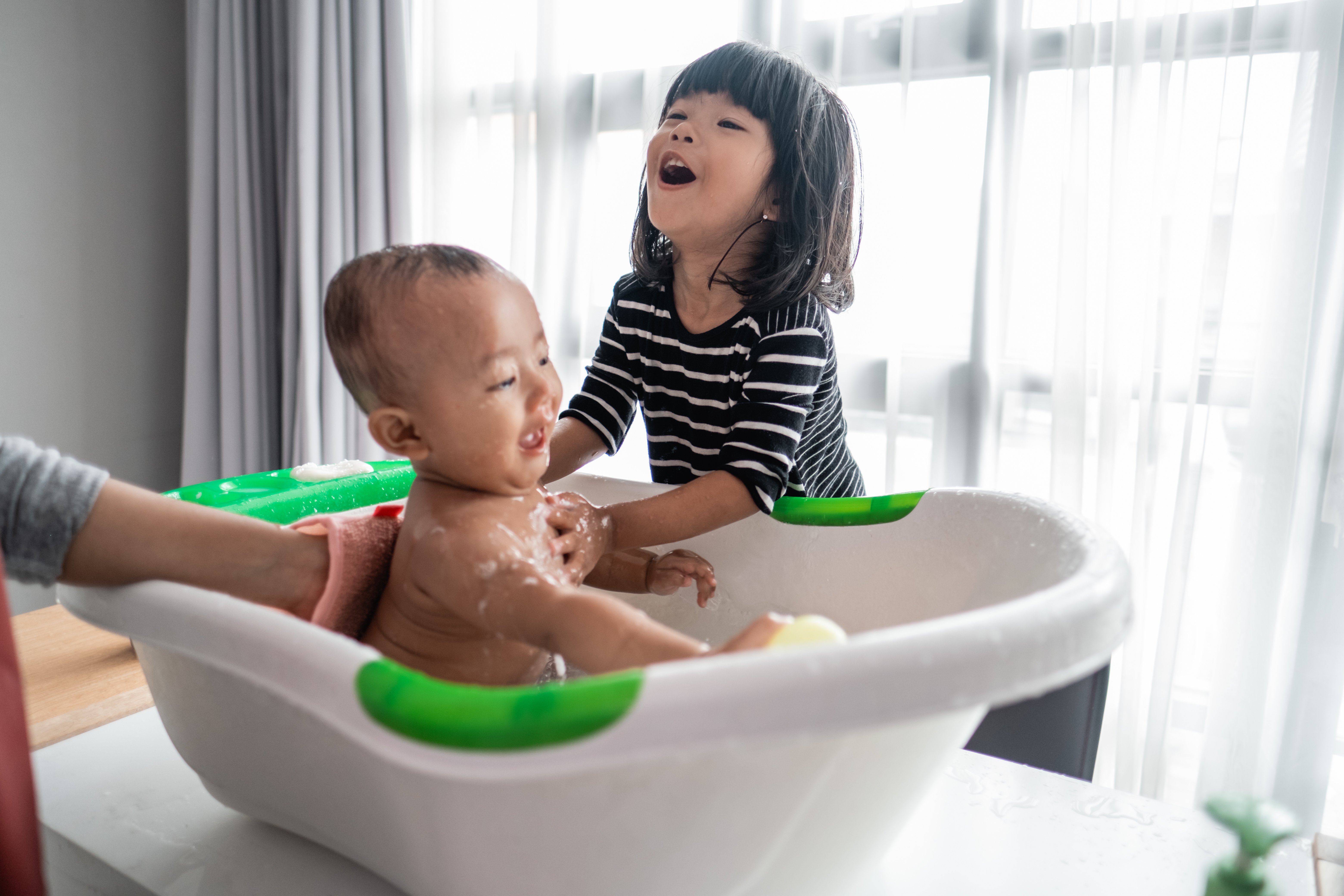
10 Tips to Foster a Sweet Sibling Relationship From the Start
-
7 Powerful Ways to Help Kids Develop Social Intelligence Skills Every Day
-
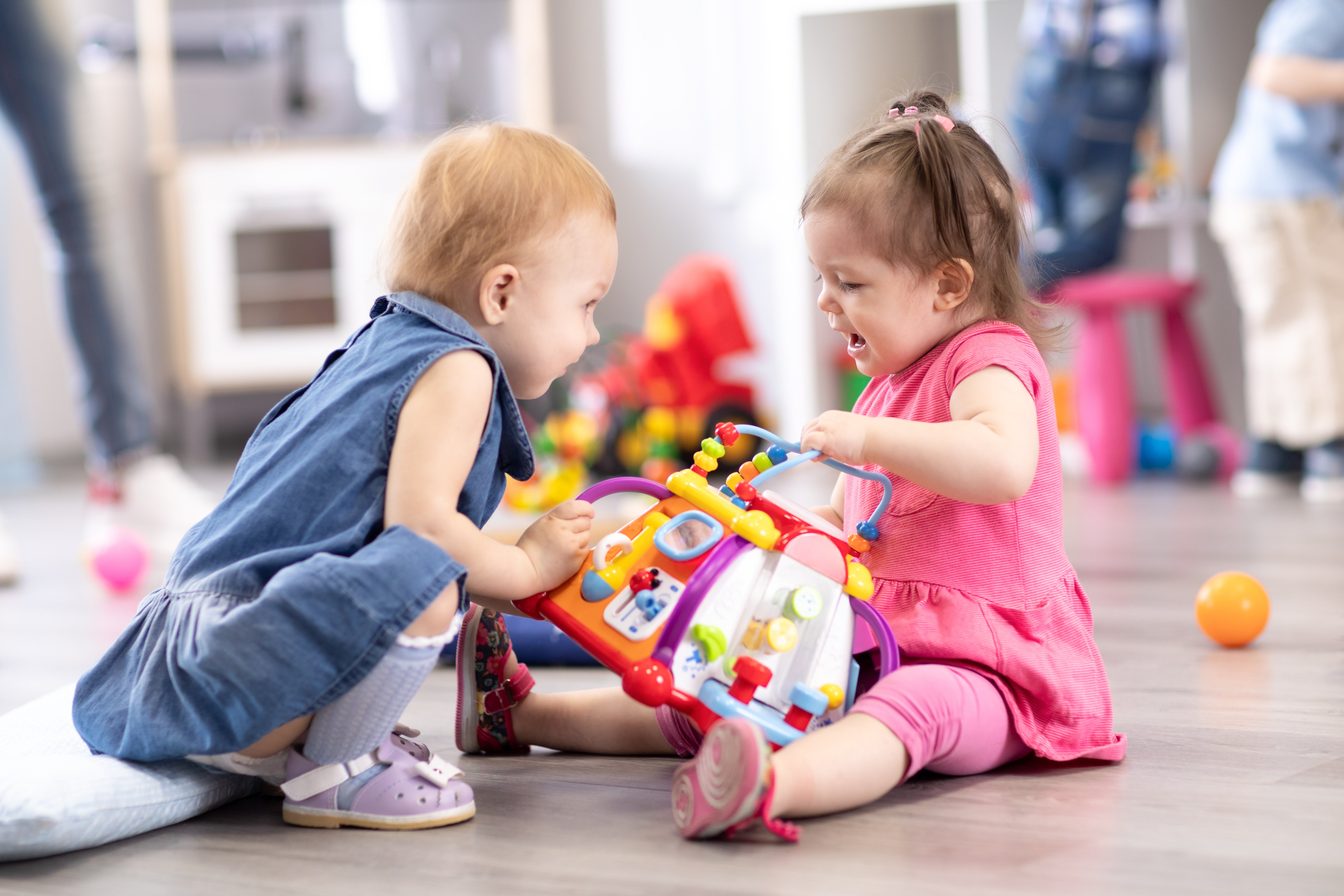
Teaching Kids To Share
-
Should You Make Your Child Apologize?
Welcoming a New Sibling & Healing Rivalry
Whether you're preparing for a new baby, helping an older child adjust to a new sibling, or trying to ease ongoing rivalry, these articles will help you strengthen sibling relationships. Learn how to reduce jealousy, support children through family changes, and create the conditions that allow affection, trust, and friendship to grow.
-
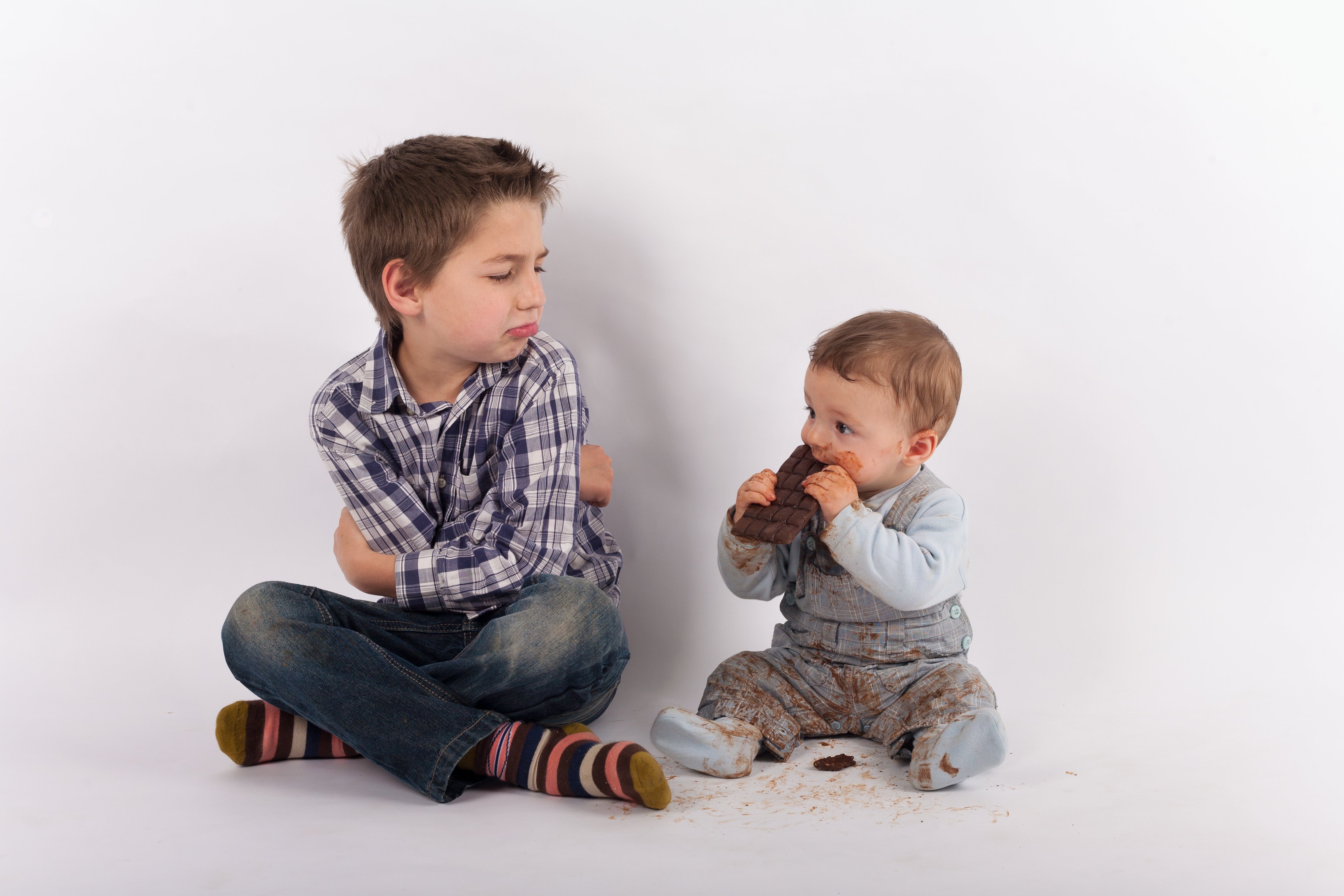
Three Tools To Dissolve Sibling Jealousy
-
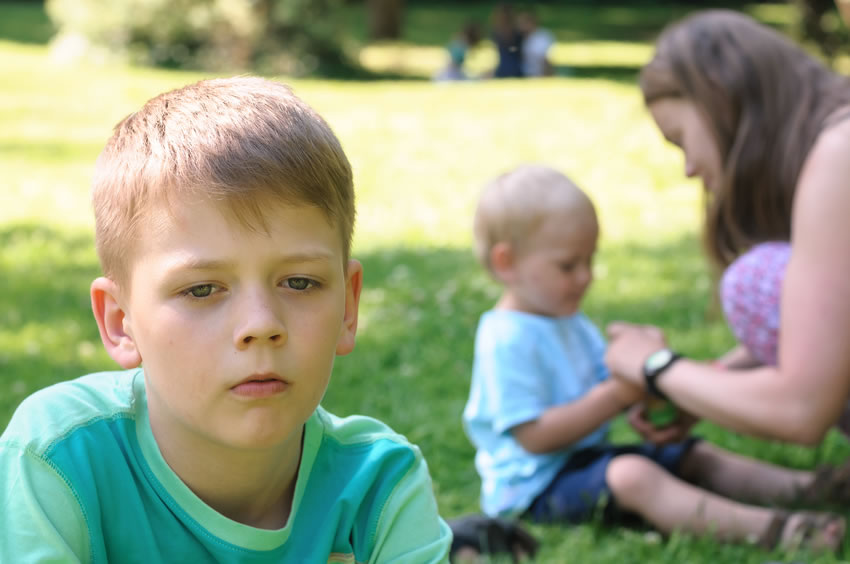
Everybody's got a hungry heart, especially when siblings are involved.
-
Curing Sibling Rivalry with Angry Big Brother
-

Emotion Coaching Older Sibling When Twin Babies Arrive
-
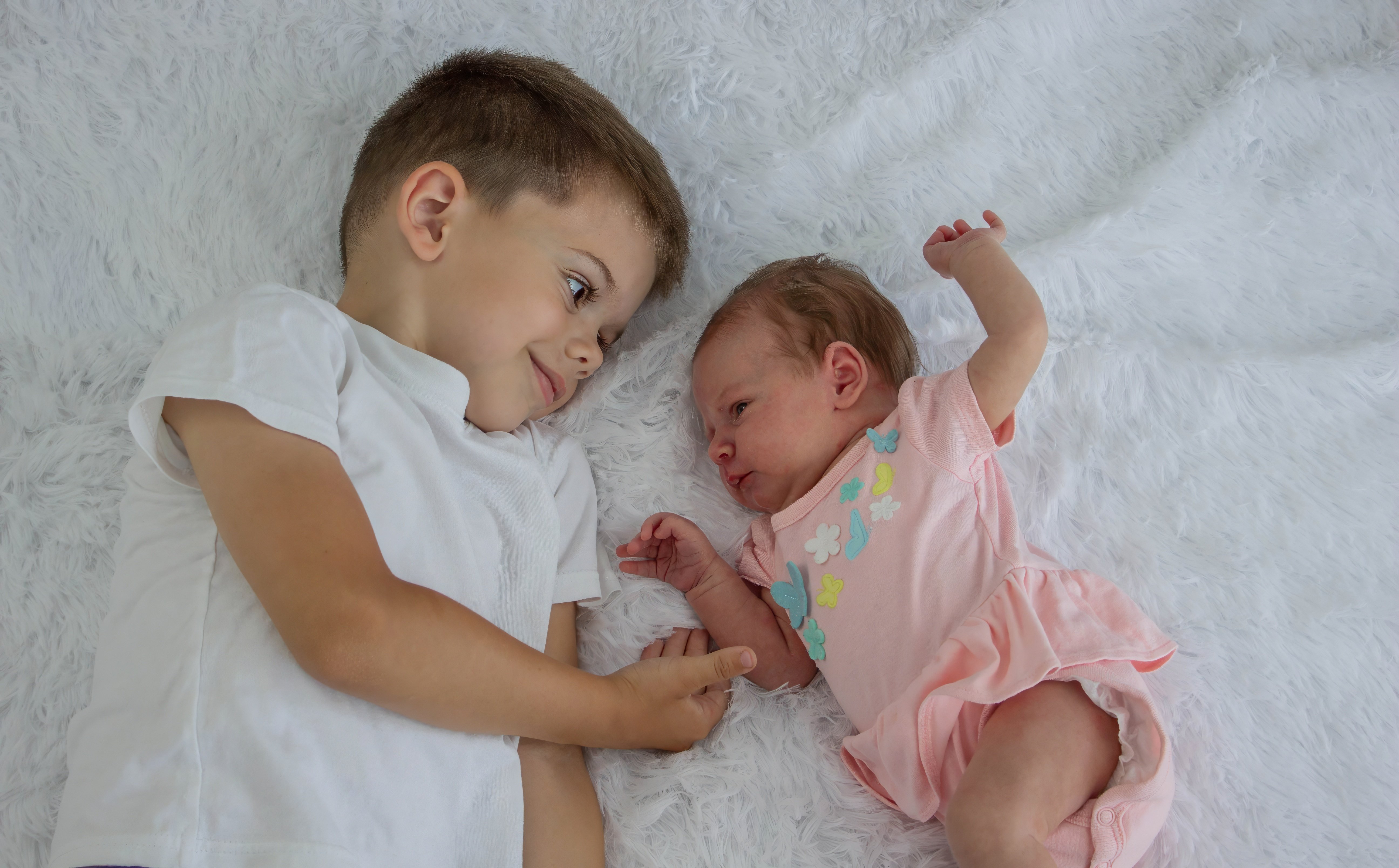
Books About the New Baby for Older Siblings
-
Siblings Downloadable eBook
-

Preschooler jealous of baby, developing attitude
-
Daughter Jealous of Each New Half-Sibling Baby
-
Why Children Sometimes Regress After a New Baby Arrives
Stop Sibling Hitting
Hitting between siblings needs a clear, immediate response. These articles will help you stop the aggression, protect both children, and guide them toward healthier ways of expressing strong feelings.
-
Why Kids Hit Younger Siblings, and How To Help Them Stop
-
When Your Older Child Hits the Little One: A Script
-
How To Stop Your Toddler From Hitting Older Siblings
-
Jealous Preschooler Hitting Little Sister
-
4 Year Old Hitting Little Brother: How to Stop Sibling Aggression
-
Positive discipline when toddler hits baby?
Go Deeper: Understanding Sibling Relationships
Including four videos, where Dr. Laura Markham walks you through: What causes sibling rivalry, How to intervene in a sibling fight, How to heal resentment between siblings, and What parents can do to prevent and heal sibling rivalry.