
If you need help right now, here’s what to do:
- Pause and calm yourself
- Reconnect with your child
- Acknowledge what happened
- Apologize and repair
- Make a plan for next time
You Didn’t Ruin Your Relationship—Repair Is What Matters
You might yell, say something you regret, or see the look on your child’s face and wish you could take the moment back. It’s a painful feeling—but it doesn’t mean you’ve damaged your relationship.
What matters most isn’t that you lost your temper. It’s what you do next.
It won't help to beat up on yourself. What helps is to notice what kind of support would help you stay more calm and patient, and to give yourself that support.
Why Repair Strengthens Your Relationship with Your Child
We don't have to be perfect parents. Really. We just have to seize those opportunities to realize when we're off-course, and find ways to start moving in the right direction.
Children are resilient, and they don't need perfection from parents. What they do need is a parent who models how to take responsibility and make repairs. A parent who apologizes and reconnects when things go wrong -- as they inevitably do sometimes in human relationships.
So let go of that heavy baggage of expecting yourself to be perfect. You never will be, but you're more than enough, just the way you are. You're only expected to keep growing. Parenting is a journey, not a destination.
And what should you do when you lose it? Here's your game plan.
What to Do After You Yell at Your Child
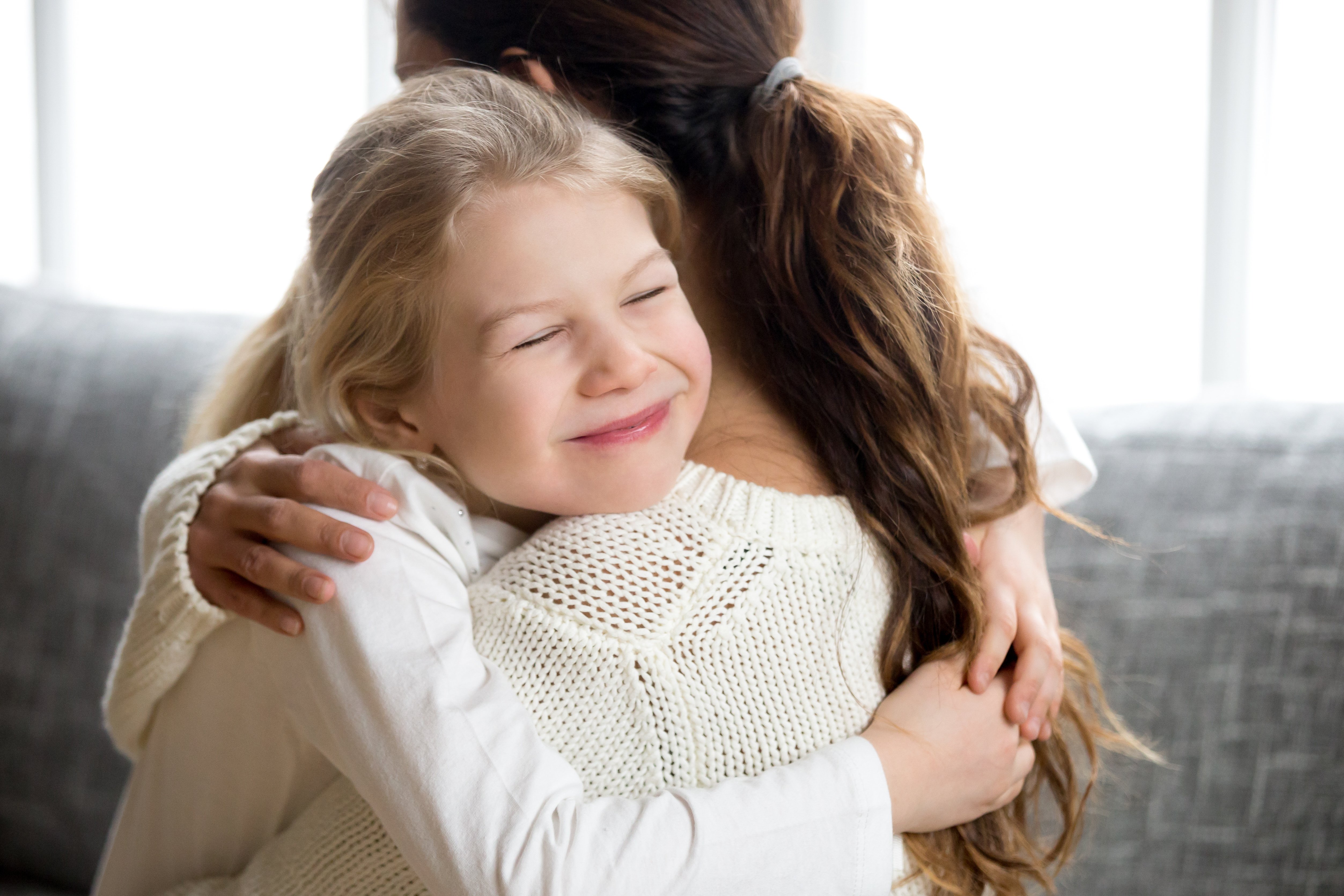
If you’re wondering what to do after yelling at your child, here’s a simple step-by-step way to repair the moment and reconnect.
1. Restore calm and safety.
Take a few deep breaths. Switch gears emotionally by finding a more positive thought. Maybe: "This isn't an emergency... He's acting like a child because he is a child... She's showing me she's upset and needs my help."
Then, if you're calm enough, reconnect with your child and try a "Do Over." If you can acknowledge your child's feelings, it opens the door to reconnecting. "Oh, Sweetie, we are both so upset. I guess you were hoping that...."
Empathize with why they're upset. Set what ever limit you need to. Modulate your tone and keep breathing. Remember, anger doesn't dissipate until it feels heard. So listen and try to understand.
Not calm enough to engage constructively? Walk away if you need to. I know you want to set your child straight right this minute, but you'll do a better job once you calm down. She's not going anywhere. You know where she lives.
2. Commit to NOT TAKING ACTION while angry.
Commit right now, while you're reading this. Then, when you start to get angry, you re-commit. When you notice that you're getting upset, that's your red flag reminder to Stop, Drop (your agenda, just temporarily), and Breathe so you have a choice about whether to get hijacked by your anger.
For step by step support to stay more calm, see How to Stay Calm with Your Child: Stop, Drop, and Breathe.
3. Remind yourself to see the situation from your child's point of view.
When our children get upset or act out, it often triggers us into fight or flight, which is why we start acting like they're the enemy. But they're not the enemy, and it isn't an emergency.
We're all sure we're "right" when we're angry, but there's always another way to look at things. Your child is a young human struggling to manage their emotions. You're an adult, role modeling emotional regulation for your child. This is hard work, for both of you. Nobody has to be wrong.
4. Always apologize after you lose it.
Remember that you're role-modeling, both when you yell and when you apologize. What do you say? Something like: "I had such a hard day, and I couldn't deal with one more thing going wrong. So I yelled at you. But that's no excuse. No one deserves to be yelled at, ever. Let's try a do-over."
Resist the natural impulse to blame it on your child by saying that if they would just act right, you wouldn't yell. It's always your responsibility if you yell, and no child (or adult) ever deserves to get yelled at. See this article for more tips on when and how to apologize.
Some parents avoid apologizing because their child points out how the parent may apologize, but repeats the same behavior soon after. If this happens to you, tell your child you hear them, and you are going to come up with a plan to help yourself change. Then do it! (See #5.)
5. Give yourself the support you need to change.
Your goal when you lose it is to USE it to change, right? It doesn't work to beat yourself up or to feel bad about your tantrum. The only thing that works is to give yourself more support.
So once you calm down and have a few minutes to yourself, consider this question: "What's one thing I can do so I don't lose it next time?"
- Can you reduce the amount of stress in your life by paring back so you aren't always rushing?
- Do you need more sleep? Make a plan. (No, you can't control how often your kids wake up, but you CAN control what time you go to bed.)
- Is there a certain time of day when everything falls apart? How can you give yourself and your child more support at that time of day?
- When you start to threaten your child with punishments, can you notice that it's coming from your own sense of helplessness? Use that as a reminder to take a deep breath and calm yourself down. You'll intervene so much better from a calm state.
- Are you doing preventive maintenance with your child, so that he or she is less provocative? You'll find these strategies also help you feel closer to your child, so you're more able to see things from their perspective.
- If you want to stop yelling, but you're finding it tough, give yourself a break -- It IS tough! But it's also possible, so give yourself better support, in the form of a star chart. Your kids give you stars for every morning or afternoon you don't yell. Every week that's better than the week before is worth celebrating. Here's your 10 Step Plan to stop yelling.
- If you notice that you sound like your parents when you start yelling, can you do some healing? If you need to, get some support -- take a parenting class, get a good parenting book, join a supportive forum, see a counselor. (My Peaceful Parent, Happy Kids Course supports you to change, step by step -- and that means your child changes, too. Parents who've taken this Course overwhelmingly agree that it improved their ability to self-regulate, and helped them feel more confidence, calm and joy in their parenting. And there's a no-risk guarantee!)
Did you find one thing you can do to support yourself so you can regulate better when you start to get upset? Commit to doing that one thing, starting today.
And, of course, forgive yourself. This parenting gig is hard, and no one is perfect. But every time you calm yourself instead of acting your upset out onto your child, you're rewiring your brain, so it gets easier to regulate yourself the next time. Over time, you'll see that as you change, your child changes. And you'll find your whole family living with a lot less drama -- and a lot more love.
"After hearing you speak, I decided never to yell at my kids again. I want to be a good role model. But only 24 hours later, I completely lost it and found myself screaming like a crazy woman."