Emotional Intelligence
Children aren't born knowing how to manage frustration, handle disappointment, understand other people's feelings, or calm themselves when they're upset. These skills develop over time, with support from caring adults.
Emotional intelligence is the ability to understand emotions, manage them constructively, build healthy relationships, and navigate life's challenges with resilience. Children with strong emotional intelligence tend to be happier, more empathetic, and better able to cope with setbacks.
The resources below will help you raise a child who can understand feelings, manage emotions, and thrive in relationships.
START HERE
Learn how children develop emotional intelligence and how you can help them understand, express, and manage their feelings.


Empathy
Empathy helps children understand their own emotions, connect with others, and build healthy relationships.
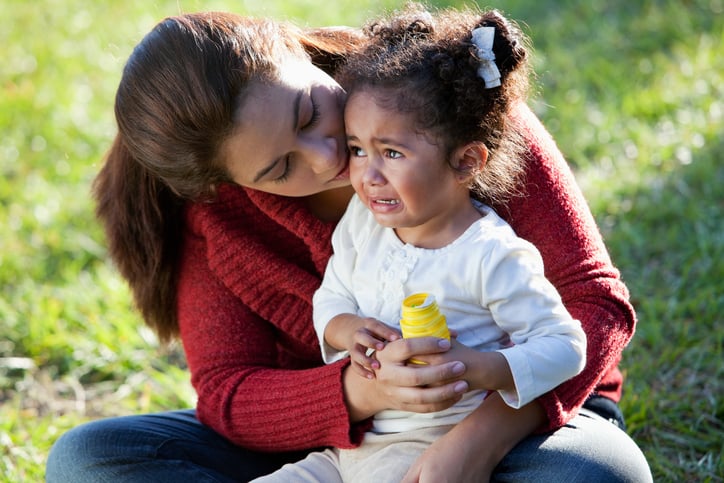


Emotion Coaching / Emotional Regulation
-
Love the One You're With: Nurturing your child's unique temperament
-

Your 6 Step Process for Emotion-Coaching when Your Child is Upset
-

Teaching Emotional Intelligence When Emotions Run High
-

8 Tips To Help Kids Learn to Control Their Emotions
-

Helping Your Child Work Through Emotions So He Can Manage Them
-

Helping Toddlers & Preschoolers Develop Emotional Intelligence
-

Video: How And Why To Teach Emotional Intelligence
Resources
Additional tools, books, and approaches to support your child's emotional development.